50 Yards: The Distance Trump Says Will Change Cuba
The U.S. State Department is inviting Cuban citizens to contact the CIA directly to help drive change, while the President outlines a naval plan to bring a warship close to the island's coast.
By Imani Brooks ·
For many Cubans, the path to contacting U.S. intelligence is now public and explicit. Secretary of State Marco Rubio issued a direct invitation on Friday, telling those who want positive change in their country to reach out to the Central Intelligence Agency. This marks a clear shift in how the Trump administration is trying to pressure the Cuban government. The goal is to remove the current leadership from power. Rubio posted the message on X, noting that the time to act is now. He cited the disappointment of failed promises and the corruption that allows a few to live privileged lives. He urged readers to seize the opportunity to create the change they desire through a discrete partnership with the CIA.
The intelligence agency quickly followed up on the call. The CIA reposted the message and added a similar appeal written in Spanish. They included a video that laid out the specific steps for contacting the agency. This move signals a coordinated effort between the State Department and the CIA. It suggests the administration is looking for internal allies to help drive change. The strategy relies on direct communication with those inside Cuba who are frustrated with the status quo. It is a step beyond traditional diplomatic pressure.
This push is happening against a backdrop of economic hardship on the island. Cuba is struggling under a strict U.S. embargo. Sanctions are designed to pressure the communist government. Prices for basic goods have soared. Access to medical care has shrunk. Reports indicate that Cubans have waited hours in lines just to buy bread. Others have queued for long periods to see a doctor. The daily struggles of ordinary people are becoming a key part of the narrative. The administration is using these conditions to argue that change is necessary. The contrast between the hardship inside Cuba and the opportunity to partner with the CIA is stark.
Economic pressure has increased in recent weeks. Last week, the U.S. government announced additional sanctions. These targeted Cuba's state-run bank. Washington stated that the institution had ties to Iran. This move aims to tighten the noose on the Cuban economy. It limits the government's ability to manage funds. It adds to the strain on a system already under duress. The combination of new sanctions and the public invitation to the CIA creates a multi-front approach. The administration is applying pressure from the outside while encouraging action from the inside.
President Trump addressed the topic on Friday at a campaign rally in South Florida. He spoke to a crowd that has a deep connection to the island. Trump said, "We'll take care of Cuba on our way back from Iran." He was referring to U.S. Navy warships deployed near the Strait of Hormuz. This comment linked the situation in the Middle East with the strategy in the Caribbean. It suggested that the military assets already in the region could be repurposed. The President used the rally to outline a specific vision for how this might unfold.
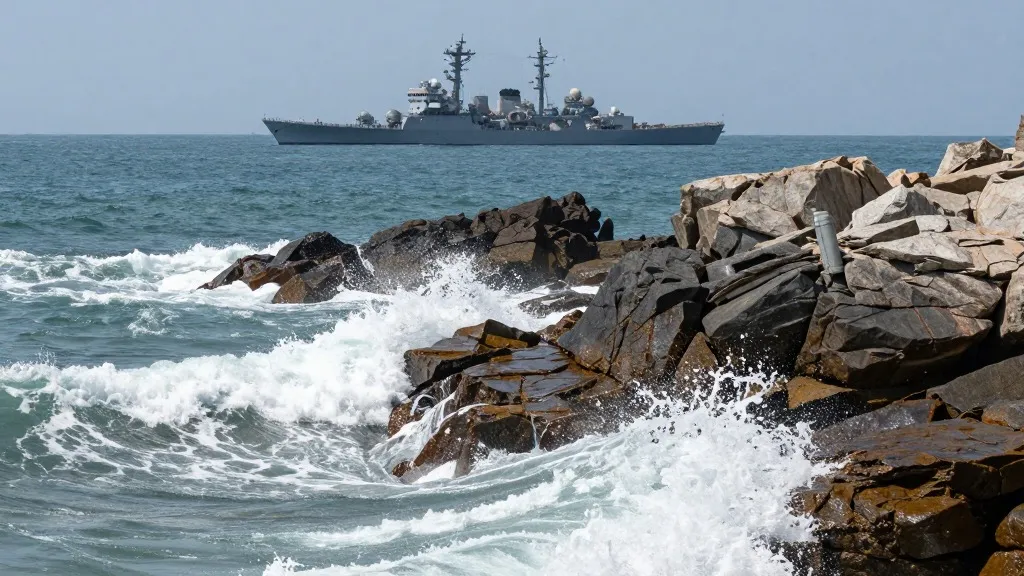
Trump described the process with vivid detail. He said the ships would pass Cuba. He noted that one of them would stop about 50 yards off the coast. He added that the crew would raise their hands. Then, he said, the U.S. would send Marco Rubio in to finish the deal. This description painted a picture of a direct and decisive action. It moved the discussion from economic sanctions to a potential physical presence. The mention of 50 yards is a specific distance that implies a show of force. It is close enough to be seen and felt by those on the shore.
The Cuban government has reacted with rejection. Foreign Minister Bruno Rodríguez Parrilla responded on X on Friday. He stated that they reject any threats stemming from U.S. ambitions toward Cuba. He emphasized that the island is not passive. He noted that the coastline is lined with beautiful beaches. However, he added that it is also rugged. He described it as inhospitable to those who arrive with hostile intentions. He said such intentions often come with a desire for domination. This response was a direct counter to the President's rally remarks. It framed the U.S. approach as an attempt at control rather than a partnership for change.
The situation now involves a mix of economic tools and public messaging. The administration is using sanctions to weaken the government's hold. It is using the CIA to build relationships with those who want change. It is using military rhetoric to signal intent. The response from Havana has been firm. The foreign minister's comments highlight the tension between the two sides. The distance of 50 yards has become a symbol of this new phase. It represents the closeness of the U.S. to the island's shores. For ordinary people in Cuba, the message is clear. The U.S. is inviting them to reach out. The government is telling them to stay strong. The next steps will depend on how these forces interact in the coming weeks.
Source: CBS News