Warship Deployment Threat and Spy Recruitment Call Compound Pressure on Havana
The U.S. Secretary of State's call for internal change followed remarks from the President regarding naval maneuver near Cuban waters.
By Priya Sharma ·
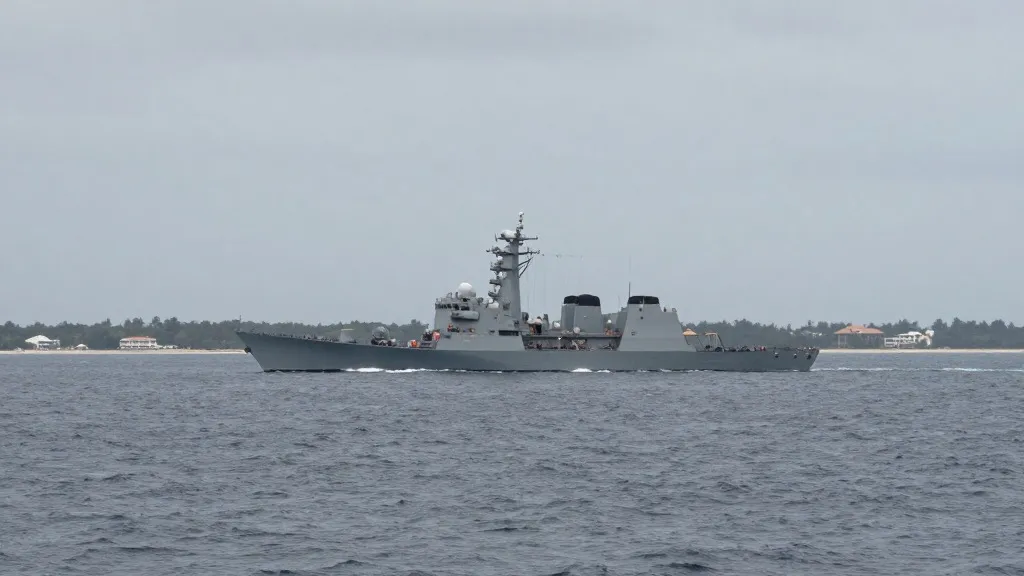
Tension regarding the future of the island nation has escalated sharply as the United States Secretary of State publicly encouraged Cubans to pursue political transformation while the President suggested American vessels could operate near the country's coast. The dual messaging arrives as the administration pivots from military operations abroad to focus on conditions within Cuba. Secretary of State Marco Rubio addressed individuals seeking to generate change by pointing to the failures of current governance. He cited unfulfilled commitments, systemic corruption, and the disproportionate advantages enjoyed by a select few as reasons to act.
Rubio further advised that Cubans should not hesitate to create the change they desire through a partnership with the Central Intelligence Agency. This suggestion regarding intelligence collaboration was issued shortly after President Donald Trump told a campaign rally in South Florida that warships returning from the conflict in Iran might conduct operations near the island. The President's comments regarding potential military intervention came in response to a shouted question from attendees at the gathering, which took place just ahead of the upcoming midterm elections.
At the rally, the President stated that vessels could execute a stopover off the coast, specifically describing a ship positioned roughly 50 yards from land. He added that he would dispatch Secretary Rubio to conclude any necessary arrangements. The Secretary of State has not publicly discussed Cuba in depth for a period of time prior to this recent exchange of messages. The administration has previously indicated that the nation poses a national security threat due to its relationships with foreign adversaries.
Cuban officials have responded to the rhetoric from Washington with sharp criticism. Deputy Foreign Minister Carlos Fernandez de Cossio characterized the American statements as an attempt to openly recruit personnel for the intelligence agency. He remarked that the United States agency must be in a state of desperation to offer its services in such a public manner. The diplomatic atmosphere has remained difficult despite various meetings held between senior American officials and their counterparts in recent months.
The Secretary of State previously told a television audience on September 29 that the island had already lost its functionality, describing it as a nation without a working economy. He characterized the leadership as individuals promoting a revolution that has been inactive for two decades. However, the administration has continued to engage in diplomatic discussions, with the President telling a global audience last month that negotiations were proceeding deeply.
Despite these talks, the two nations clashed earlier this week at the United Nations regarding opposition to the annual vote concerning the economic embargo. The geopolitical friction occurs against a backdrop of severe economic and energy struggles that have plagued the island since 2020. The country's economy has contracted, and its population has endured power outages, rising prices, and shortages of essential goods.
These conditions have led to public unrest and significant emigration, with hundreds of thousands of residents leaving for destinations such as the United States. The Secretary of State urged Cubans who want political change in their country to act. He pointed to the disappointment of failed promises, corruption, and the privileged lives of a few. He encouraged Cubans to seize the opportunity to create the change they desire.
Source: The Guardian