Rio Beaches Turn Red as Brazil Braces for Historic Vote
Massive crowds gather in Rio and Belo Horizonte as the final day before the runoff approaches with candidates tied in the polls.
By Mykola Bondarenko ·
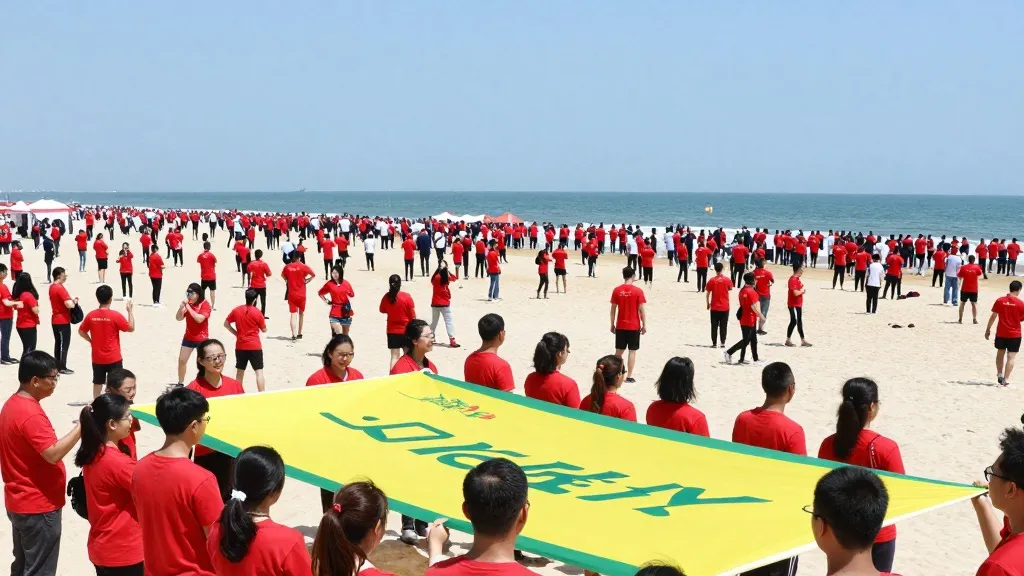
The sands of Copacabana turned a deep red on Saturday as tens of thousands of supporters gathered to rally for President Luiz Inácio Lula da Silva.
The turnout marks the final push before Sunday's runoff against Flávio Bolsonaro. With 159 million Brazilians eligible to vote, the race is statistically rare. Since democracy returned to Brazil in the 1980s, no candidate who lost the first round has ever won the second. Lula trails slightly after Bolsonaro secured 47% of the vote on October 4, compared to Lula's 45%. Most analysts view the far-right challenger as the slight favorite, though recent scandals have helped Lula regain momentum.
The atmosphere on the 2.5-mile beach resembled a carnival. Under a strong sun, activists unfurled a massive banner declaring, "WE ARE GOING TO TURN THIS AROUND!" Josias Silva, a 61-year-old truck driver, carried a sign predicting a landslide victory. While he believes the people have woken up, current polling suggests the contest will be far tighter than his optimistic forecast. Lula's surge follows reports in the magazine Piauí that Flávio Bolsonaro attended a boat party with sex workers and vaccine lobbyists during the peak of the 2020 pandemic.
For many voters, the stakes extend beyond standard politics. Jair Bolsonaro, the father and former president, is serving a 27-year sentence for plotting a coup after his 2022 defeat. Democrats fear he could be freed if his son wins, with some reports suggesting jailed allies might receive senior military posts. Marta Moraes, a 59-year-old restaurateur, expressed her opposition to the broader movement rather than just the right, citing four relatives lost due to pandemic neglect.
The energy in Rio was driven by organized networks. Many attendees belonged to a WhatsApp group of 10 million members created after the first round. Isabella Gaze, a retired teacher, called the election anything but normal. Others, like DJ Cammy Marinho, spent two weeks trying to persuade undecided voters. Even young supporters like 14-year-old Heitor Lopes da Silva traveled from Duque de Caxias in a wheelchair to show their backing.
In Belo Horizonte, the capital of Minas Gerais, the mood was different. Thousands gathered in Praça da Liberdade wearing yellow football jerseys and waving both Brazilian and US flags. This state holds the country's second-largest electorate and is a crucial bellwether, as no candidate has won the presidency without carrying it. Bolsonaro led there by nearly 5% in the first round.
Backers in Minas Gerais focused on security. Antonio Carlos Costa Jr., a shooting club owner, argued that the former president gave citizens the right to defend themselves. However, security experts note that loosened gun laws previously diverted many firearms to criminal gangs. Lula has since tightened these rules, and his supporters question if Bolsonaro, who has documented ties to Rio's paramilitary militias, can truly curb crime. One architect carried a sign that read, "Don't let the mobsters win."
Source: The Guardian