Artemis Architecture: NASA Maps New Path to Lunar Surface
Agency outlines revised plans for commercial landers, setting a 2028 target for putting astronauts on the Moon.
By Lucia Herrera ·
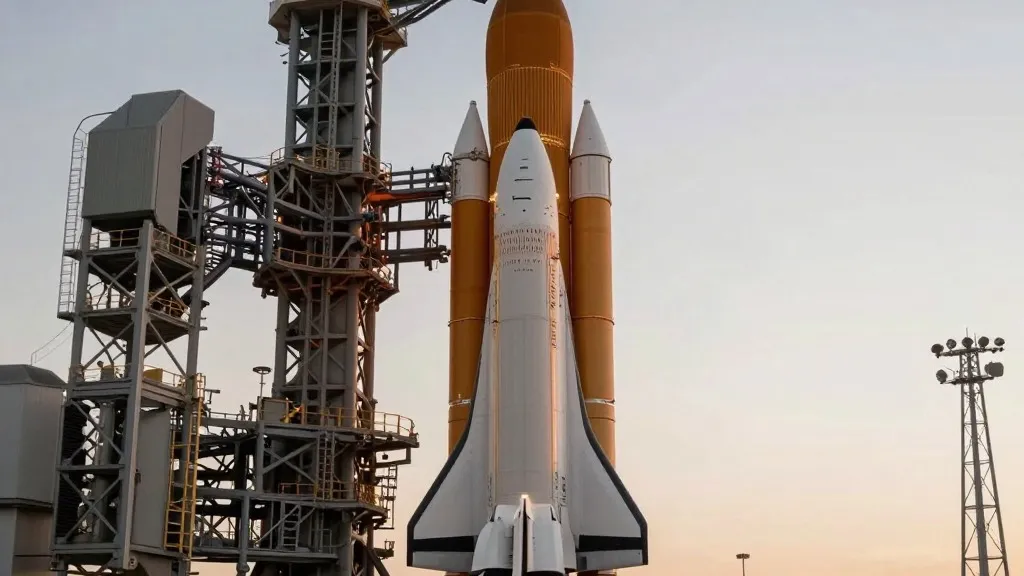
Lunar landing plans have shifted toward a timeline that places boots on the surface by 2028.
NASA has released a detailed roadmap for its Artemis Program, detailing how it intends to return astronauts to the Moon. While various elements of this plan have circulated previously, the agency's recent briefing marks the first time these specific architectural changes have been laid out officially. Central to the new approach are modifications to how commercial landers will operate, with NASA now requiring Orion to dock with SpaceX's Starship in high-Earth orbit before the vehicle departs for the Moon. For Blue Origin, the mission profile is reconfigured to utilize four launches of the New Glenn rocket, eliminating the need for spacecraft-to-spacecraft refueling while allowing for a potential rendezvous with Orion in low-Lunar orbit.
The agency continues to target Artemis III for a summer 2027 launch, a mission designed to demonstrate docking capabilities with both the Blue Moon and Starship vehicles near Earth. This schedule feeds directly into Artemis IV, which remains slated for a 2028 launch and would involve an actual landing on the lunar surface. NASA Administrator Jared Isaacman expressed confidence regarding these objectives, stating, "This is an achievable path we are on right now." He added, "We have the mandate, we have the resources, and the support from our stakeholders to be able to execute, and that's what we intend to do."
The revision for SpaceX specifically addresses technical hurdles that engineers identified during meetings with NASA in early 2026. Originally, plans required docking with Orion in a near-rectilinear halo orbit around the Moon, a maneuver that demanded significant energy and posed other difficulties. The cancellation of the Lunar Gateway earlier this year resolved this issue for SpaceX. Isaacman and his leadership team have taken a hard look at every element of the program to seek changes that help lander companies execute and accelerate their plans.
However, significant questions remain regarding the ability to hold to these dates. While the architecture has been adjusted to remove technical barriers, the feasibility of the 2027 and 2028 launch windows is the primary open question facing the agency as it attempts to execute on this mandate.
Source: Ars Technica