COP31 Climate Summit Concludes Without Final Pact as Fossil Fuel Disputes Stall Negotiations
The United Nations climate conference in Turkey ended Sunday without a final agreement after deep divisions over fossil fuel transitions prevented a consensus among nearly 200 nations.
By Yasmin Parker ·
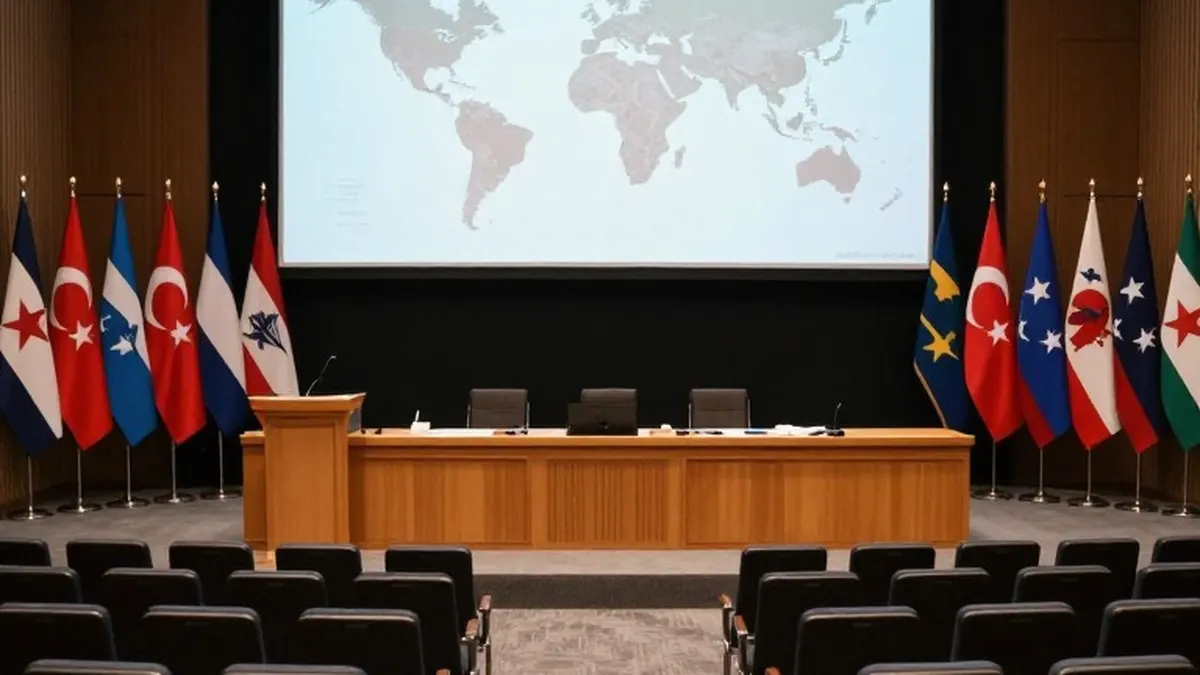
The thirty-first session of the United Nations climate conference, known as COP31, concluded on Sunday without reaching a final agreement. The collapse of the talks followed a week of contentious negotiations in Antalya, Turkey, where delegations from nearly two hundred countries struggled to bridge significant gaps. The primary source of contention was a stalemate between nations advocating for the phaseout of fossil fuels and those resistant to such measures. Officials and scientists have described this period as decisive for the future trajectory of global warming.
The United States did not send representatives to the summit. This absence followed the Trump administration's decision to withdraw from the 2015 Paris Agreement. That historic accord had set a goal to limit global warming to 1.5 degrees Celsius above pre-industrial levels. This target has served as the anchor for recent U.N. climate summits, but the world is now at risk of overshooting it.
The impasse became apparent on Sunday when European countries rejected a draft agreement that did not explicitly mention fossil fuels. They argued that the text favored major exporters of these resources. These European nations joined a coalition of smaller countries that face heightened threats from climate extremes. The deadlock occurred after days of tense discussions regarding core issues, including the establishment of new rules for transitioning from coal, oil, and natural gas to renewable energy sources.
On Friday, which was the scheduled final day of the conference, a coalition led by France and Panama rejected the latest draft as insufficient. This group included representatives from Europe, Africa, Latin America, and the Pacific. They demanded stronger language on fossil fuels and more robust commitments to climate finance. Juan Carlos Navarro, the environment minister of Panama, stated at a news conference that the group could no longer be held hostage by petroleum producers. He vowed to formally object to any deal that omitted issues related to fossil fuels.
An initial draft from the negotiators had called for accelerated action to phase out fossil fuels and urged an end to inefficient subsidies. It also included a resolution to bring warming back below the 1.5 degree threshold as early as possible this century. However, this language was removed days later, reflecting deep divisions over timelines and financial support. The final draft, while lacking specific fossil fuel language, did welcome targets to capture billions of tons of carbon dioxide annually from the atmosphere by 2035. Critics argue that this focus on carbon capture technology distracts from the need to reduce fossil fuel use.
The latest draft also called for electricity to supply more than a third of the world's energy by 2035, alongside goals for renewable energy and efficiency. Negotiators expressed deep concern over global warming, projecting that it will exceed 1.5 degrees at its peak. The text reaffirmed the need for deep, rapid, and sustained emissions reductions, warning that every increment of warming increases the frequency and intensity of climate-related damage. It noted that if current international plans are fully implemented, the world is on track for just over 2.5 degrees of warming, a significant improvement from projections of more than 4 degrees before the Paris accord.
The summit took place in a year marked by destructive wildfires and other atmospheric anomalies that meteorologists have largely tied to climate change. Speaking in Antalya, U.N. Secretary-General António Guterres urged governments to move away from fossil fuels, triple adaptation funding by 2035, and tax windfall profits from fossil fuel companies. He emphasized that polluters must pay and linked the climate crisis to broader social and political instability. He noted that it is difficult to eradicate poverty when climate disasters repeatedly push people back into it.
Environmental advocates expressed that the conference proposals did not go far enough to meet the needs of communities already facing the consequences of the climate crisis. Ellen Dorsey, recently named to the TIME100 climate list, told CBS News that she had not expected substantial action from COP31 despite the urgency. She stated that the time for simply talking about phasing out fossil fuels is over, calling for no new expansion, an end to subsidies, and an equitable phaseout that protects workers. Dorsey observed that fossil fuel lobbying has grown over the past decade, yet she sees promise in grassroots movements and diplomatic coalitions like the Santa Marta process. She described the current moment as a historic inflection point for climate policy.
More News · National news · Report a business · Got a Story?