Insulin costs double in Gaza as children face dangerous supply gaps
Families report prices have risen from 30 shekels to 80 shekels, forcing some to use expired medication or skip doses, according to local reports and aid groups.
By Amir Shah ·
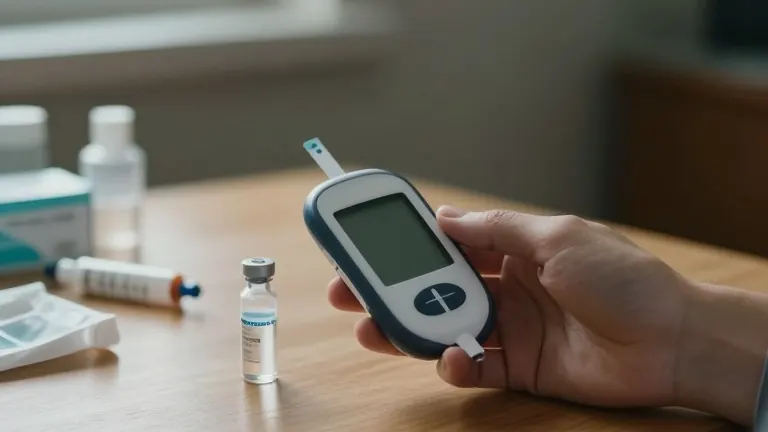
Nine-year-old Amir spent his latest hospital stay in intensive care after doctors found acid building up in his blood.
His mother, Nahawand, linked the admission to a shortage of insulin that forced the family to rely on expired supplies.
Amir was diagnosed with type 1 diabetes at age one. He now requires two or three injections daily, a regimen that depends on constant monitoring.
Nahawand checks his blood sugar roughly every two hours and before meals. She said the cost of maintaining this routine has doubled since the conflict began.
Before the war, an insulin pen cost between 25 and 30 shekels, or approximately $7.62 to $9.17. Some were free through clinics. Now, the same pen sells for 50 to 80 shekels, or $15.29 to $24.46.
The price of testing strips has also climbed. A box of 50 strips now costs between 150 and 200 shekels, or $45.87 to $61.17. Previously, two boxes cost about 150 shekels.
Nahawand said she could not afford the new prices. She told Al Jazeera, "I cannot afford to buy it. I am unable to buy insulin for my son at all."
Awni Shweikh, executive director of the Haifa Association for Children with Diabetes, said her group represents about 800 children in Gaza. The organization previously provided free testing strips to up to 700 kids monthly.
Shweikh noted that since October 2023, many children lost their monitoring devices. She warned that expired insulin is leading to hospital admissions for high blood sugar and blood acidity.
In Jabalia, Alaa Ghaban said her 15-year-old daughter Janna has lost seven kilograms over the past four months. Janna, who requires two types of insulin, fears eating without enough medication to control her blood sugar.
Alaa said she once returned to her family home under heavy bombardment to retrieve insulin. She added, "My daughter sometimes wishes she were dead because she cannot bear watching us struggle and seeing me exhausted."
The International Diabetes Federation expressed concern in August about restrictions on diabetes care in Palestine. It identified Gaza as a region with particularly constrained access to essential treatments.