Tesla CEO Musk Sets Late 2027 Target for Optimus External Deliveries
Tesla has pushed back its plan to sell humanoid robots to outside businesses, citing unresolved challenges with the robot's hands, durability, and artificial intelligence capabilities.
By Jayden Sweiler ·
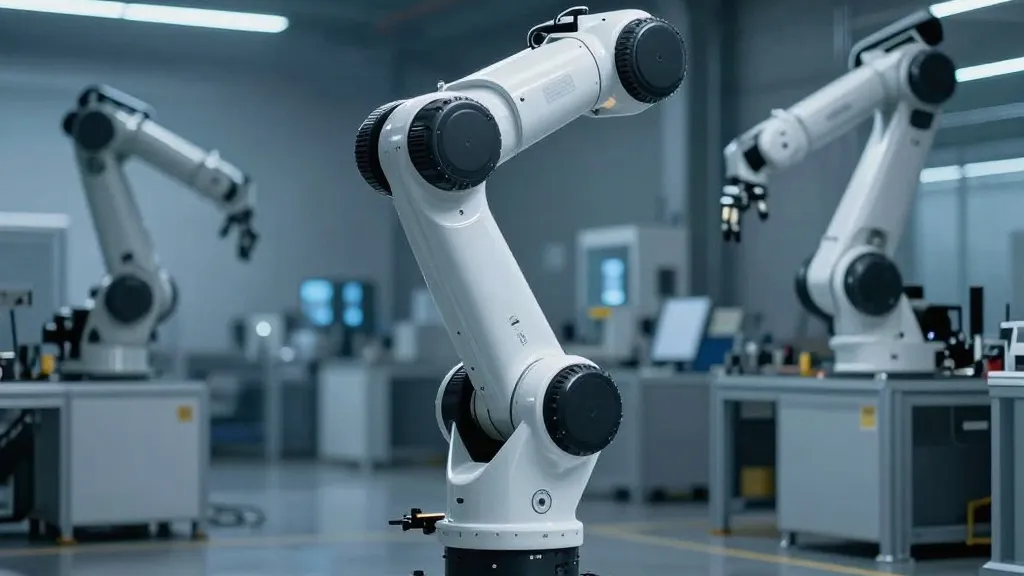
The humanoid robotics industry has long struggled with the fundamental difficulty of creating machines that can perform general-purpose labor in unpredictable environments. On Tesla’s Q3 2026 earnings call, CEO Elon Musk provided a clearer, albeit later, timeline for when the company’s Optimus robot will be ready for commercial use, stating that external deliveries will begin around the end of 2027.
Musk identified three primary hurdles that must be overcome before the robot can leave Tesla’s facilities: the artificial intelligence architecture, the electromechanical design, and overall reliability. He emphasized that the robot’s hands remain the most difficult hardware component to perfect. According to a Tesla engineer present on the call, the fingers must be soft enough to handle delicate objects while enduring constant wear, a challenge exacerbated by the fact that robots cannot heal like human skin. Custom gears also continue to present reliability concerns.
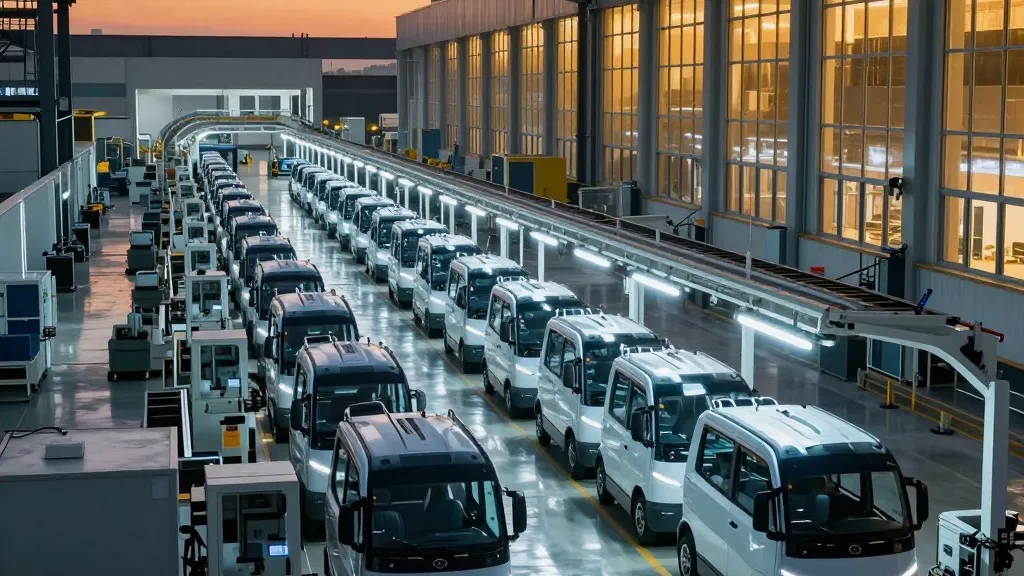
Production is currently underway on a high-volume line in Fremont, California, which previously manufactured the Model S and Model X. While much of the infrastructure designed to produce one million robots annually is installed, Musk acknowledged that it will take at least a year, and possibly longer, to reach a rate of 20,000 units per week. This delay is attributed to ongoing changes in the design. The company’s Q3 shareholder letter described the current output from this line as the first production-quality bots, implying that earlier iterations did not meet this standard.
To address the lack of a large fleet for data collection, Tesla plans to build between 10,000 and 20,000 robots to practice tasks in a facility dubbed the Optimus Academy. The company also intends to integrate its AI5 chip into the robots around April 2027. Musk promised a video within a month or two showing the robot performing unscripted tasks, arguing that many current demonstrations rely on pre-programmed routines that do not reflect real-world utility.
This latest timeline represents a significant shift from previous projections. In 2024, Musk suggested high-volume external production in 2026, and in January 2025, he claimed several thousand robots would be doing useful work by year’s end. He later admitted that none were. The current target of late 2027 aligns more closely with the schedules of competitors, who face similar technical bottlenecks.
Musk asserted that no other company is close to Tesla in developing a general-purpose humanoid, a claim that contrasts with recent developments by rivals. XPeng, a Chinese automaker, activated an automated production line for its IRON robot in September, with mass production planned by the end of 2026 and deliveries starting in the first half of 2027. Meanwhile, Hyundai’s Boston Dynamics began producing its electric Atlas robot in January and has secured all its 2026 deployments, including with Google DeepMind. Boston Dynamics has adopted a pragmatic approach to hands, using sturdy grippers for industrial parts rather than attempting human-like dexterity, a strategy that bypasses the specific issue Tesla cites as its main holdup.
The delay underscores that while building the robot is a logistical feat, making it reliable and intelligent enough for industrial use remains the central challenge. Tesla’s competitors are proceeding without claiming a monopoly on the technology, suggesting a more competitive landscape than Musk’s remarks imply.
Source: Electrek