TCU Parts Ways With Sonny Dykes After Offensive Struggles
The Horned Frogs have dismissed their head coach following a 5-6 season, with interim leadership taking over for the final game of the year.
By Amir Shah ·
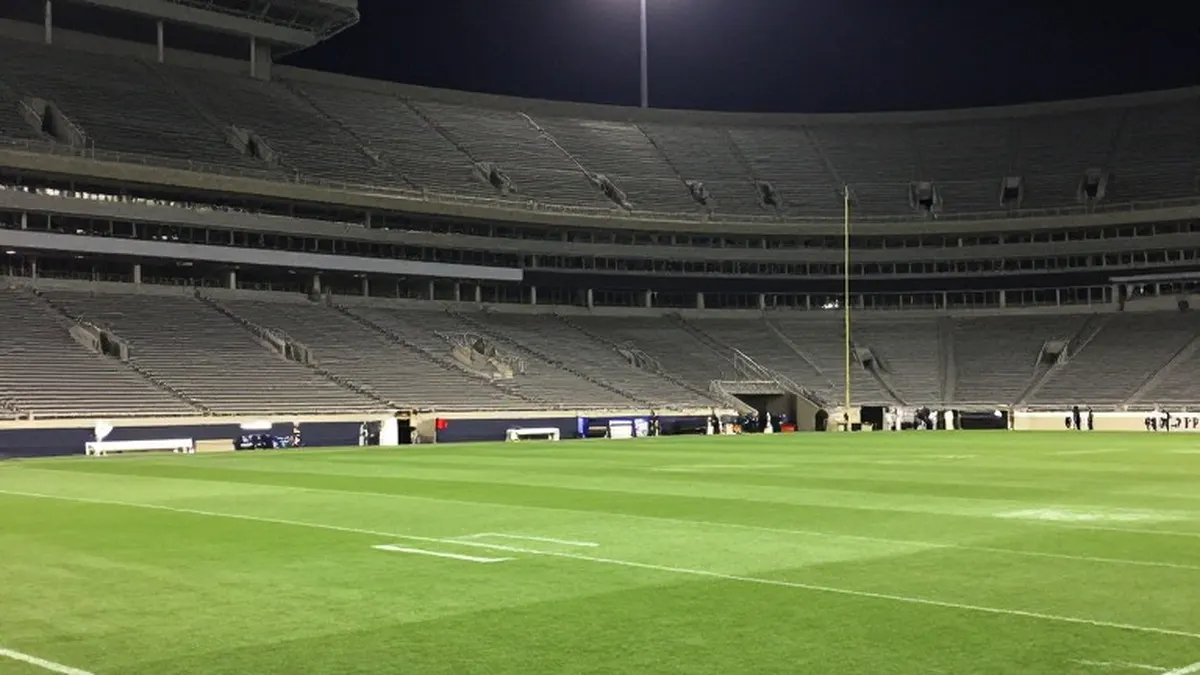
The TCU Horned Frogs announced on Sunday that they have dismissed head coach Sonny Dykes, ending his five-year tenure with the program. The decision came shortly after the team suffered a 38-17 defeat to the Utah Utes, a loss that dropped TCU to a 5-6 record for the season. This marks a significant shift for a program that finished the previous two seasons with 9-4 records and is now four years removed from its appearance in the College Football Playoff National Championship game.
The offensive struggles that plagued the team this fall appear to have been the primary catalyst for the change. After implementing several coaching staff adjustments during the offseason, the Horned Frogs failed to find consistent momentum. TCU currently ranks last in the Big 12 Conference in total offense and rushing offense, while sitting 15th in scoring offense. These statistical shortcomings followed the departure of play-caller Kendal Briles to the University of South Carolina earlier in the year.
TCU Athletic Director Mike Buddie explained the rationale behind the decision in a statement released by the university. He acknowledged that while Dykes’ time at the school began with the historic achievement of winning the 2022 Fiesta Bowl and advancing to the national title game, the subsequent years saw the program drift further from that peak. Buddie stated that this decline became unacceptable, though he expressed gratitude for Dykes’ belief in the institution and his family’s connection to the Fort Worth community.
The final game under Dykes’ watch saw the Horned Frogs trail by 17 points at halftime against Utah. Although TCU managed to tie the score, the Utes scored 21 unanswered points in the fourth quarter to secure their 11th consecutive victory. This loss followed a season opener that also raised early alarms in Fort Worth, as the team lost 15-10 to North Carolina in Ireland on August 29. The Tar Heels, led by second-year coach Bill Belichick, are not yet bowl-eligible, making the TCU loss particularly concerning for the Horned Frogs.
During the season, Dykes addressed the growing discontent among the fan base, noting that boos and chants calling for his dismissal were simply part of the modern coaching landscape. After a 22-16 victory over Kansas earlier in the fall, he remarked that he did not notice the negative feedback because he was focused on doing his job. He described the current environment as a different world that coaches must understand and navigate.
The instability on the offensive staff was evident earlier in the fall as well. In October, Dykes dismissed co-offensive coordinator and offensive line coach A.J. Ricker following a home loss to West Virginia. By that point, many observers felt the writing was on the wall for the head coach’s regime. The team had alternated between wins and losses, including a 17-10 defeat against nationally ranked BYU on October 3.
Looking ahead, TCU defensive coordinator Andy Avalos will serve as the interim head coach for the season finale on Thursday. The game will be played on the road against Texas Tech. Avalos is considered a respected assistant within the program and is expected to be a candidate for the permanent position.
Other names emerging in the initial search for a new head coach include New Mexico head coach Jason Eck and LSU defensive coordinator Blake Baker. According to reports from 247Sports, these three individuals are expected to be part of the initial mix. Eck has led the Lobos into the Group of Six playoff conversation this season, while Baker’s defensive unit has been a standout feature for LSU during Lane Kiffin’s first campaign.
Buddie emphasized the broader implications of the coaching change for the university. He noted that TCU’s investment in football has driven significant growth for the university and the city over the past two decades. The athletic department expects to compete for Big 12 championships and remain a central figure in College Football Playoff discussions. The current period of change in college sports, according to Buddie, demands that the program continue to grow and reflect that continued investment.
More News · National news · Report a business · Got a Story?