Grocery Inflation Drives Shoppers to Discount Stores and Debt
Rising food costs are pushing consumers toward value retailers and credit options, with many facing difficulty repaying grocery purchases.
By Amir Shah ·
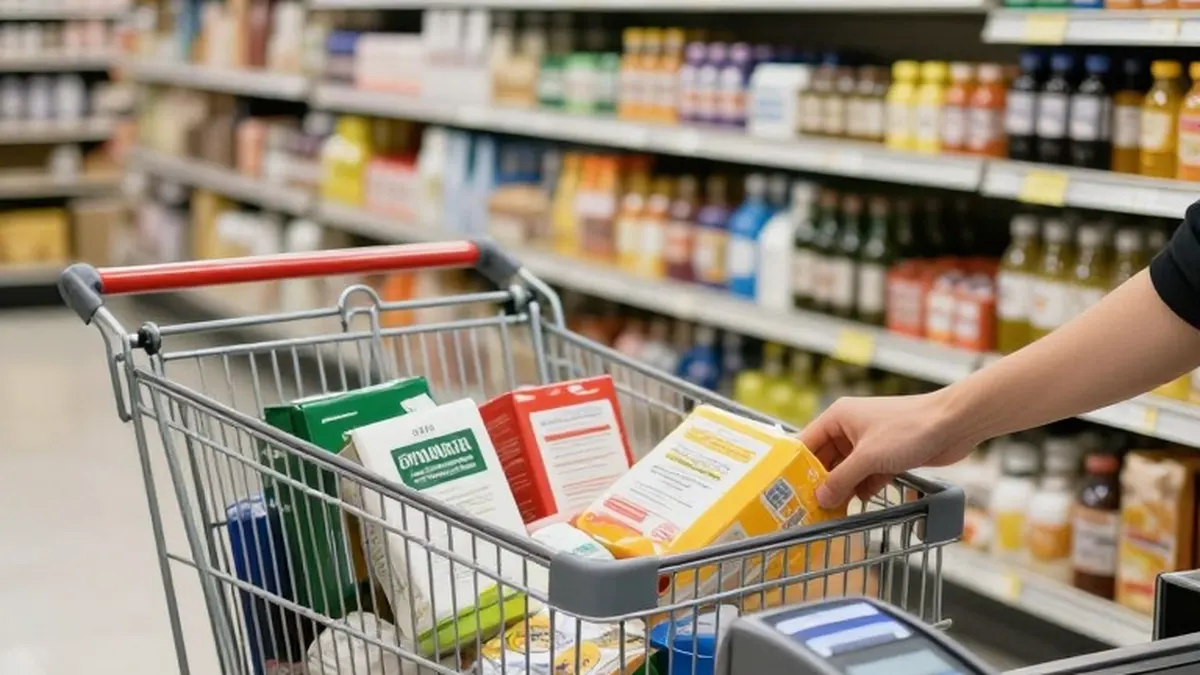
The rising cost of food has become a defining challenge for American households this Thanksgiving. According to the Bureau of Labor Statistics, grocery prices are currently 32% higher than they were in 2020. This significant increase has altered how families approach shopping, with many reporting that a disproportionate amount of their income now goes toward basic sustenance.
While the United States Department of Agriculture discontinued its food insecurity survey last year, available data indicates that nearly 14% of Americans reported struggling to eat in 2024. In response to these pressures, consumers are shifting their purchasing habits. Discount grocery chains such as Aldi, Lidl, and Food 4 Less are capturing larger market shares, intensifying competition for traditional supermarkets like Kroger.
David Rinaldo, the chief operating officer at Aldi, noted that the stigma associated with discount stores has largely disappeared. The retailer is on track to open 150 new locations this year alone. Rinaldo expressed surprise at how mainstream these stores have become, stating that he never imagined a limited assortment discount grocer would become a primary destination for so many shoppers.
A key driver of this shift is the quality and prevalence of private label products. These items, which make up 92% of Aldi's inventory, are manufactured specifically for these retailers rather than being generic no-name brands. Rinaldo pointed out that private label growth has outpaced national brands for nine of the last ten years, cementing this trend in the grocery sector.
Beyond where people shop, the methods of payment are also evolving. A recent survey by the Urban Institute found that approximately 35% of consumers are using credit cards to purchase groceries. However, financial strain is evident, as one in four customers is experiencing difficulty paying off this food-related debt.
Cassandra Martinchek, a senior researcher associate at the Urban Institute, highlighted the broader implications of this trend. She noted that families are increasingly relying on credit to meet immediate needs, which can have long-term consequences for their financial stability. This includes the growing use of Buy Now Pay Later services, such as Klarna, Affirm, and Zip, which often charge little to no interest.
Despite the low interest rates, these services can create cycles of debt. The same Urban Institute survey revealed that one in ten shoppers uses these apps for groceries, and more than a third of those users have missed a payment. For Jordan Williams, a mother and English teacher at the University of North Carolina at Greensboro, this cycle became a significant financial burden.
Williams described her experience with a Buy Now Pay Later app, noting that she often found herself paying for old groceries while needing to buy new ones. A delinquent payment locked her account, forcing her to pay the entire balance before she could shop again. She explained that the pressure extended beyond the immediate cost, as missed payments began to impact her credit score after thirty days.
Despite holding a master's degree and working a second job as a social media influencer, Williams feels the weight of the economic climate. She questioned what such financial stress means for others with fewer resources. As she plans a potluck-style Thanksgiving to manage costs, the holiday remains a test of resilience for many families.
While grocery price increases are expected to slow by next year, the current reality remains challenging. Unlike gas prices, which have started to decline, the cost of food continues to squeeze household budgets, forcing many to rely on community support and careful budgeting to get through the month.
More News · National news · Report a business · Got a Story?