Professors urge shoppers to resist Black Friday urgency
With four days left, experts suggest checking price histories and setting strict limits to avoid impulse buys.
By Yasmin Parker ·
Black Friday arrives in four days, but one marketing professor argues the holiday’s main danger is not the crowds or the lines. It is the speed at which retailers push decisions. Mike Breazeale, a marketing professor at Mississippi State University, told WSVN that shoppers often mistake urgency for value.
"Just because something’s got a red sticker on it doesn’t mean it’s necessarily a good deal," Breazeale said. He explained that retailers design promotions to force quick choices, but a fast decision is not always a good one.
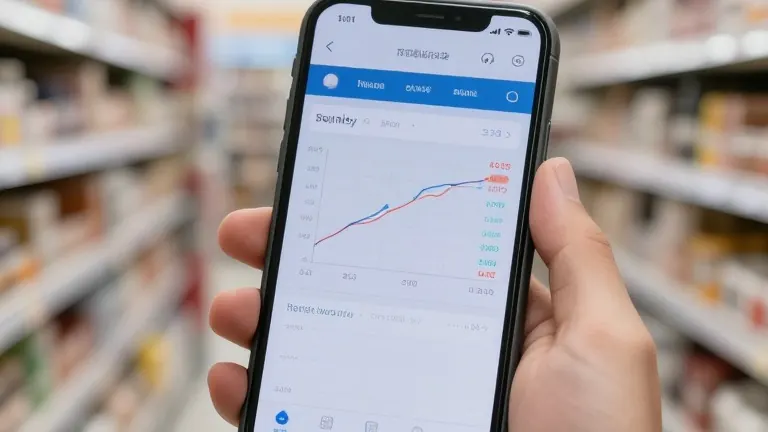
The advice centers on checking price history before buying. Breazeale recommends verifying whether current discounts are actually better than prices seen yesterday or likely to appear next week. This simple check helps determine if a sale is real or just a temporary spike in interest.
Setting clear financial limits is the next step in this strategy. Shoppers should decide on a total budget and a maximum price for specific items before they start looking. For a television, for instance, the buyer must define the required screen size in advance. These criteria act as a filter to reject items that are cheap but do not meet the stated needs.
Breazeale also suggests inserting a pause between finding an item and completing the purchase. This break allows the buyer to step away from the immediate pressure of the deal. The goal is to test whether the desire for the product survives once the discount is no longer the primary focus.
"Step away from the urgency just a little bit and try to decide, 'would I care as much about this if the urgency of it weren’t so important right now?'" he asked. If the answer is yes, the purchase passes the test. If not, the item stays in the cart or on the shelf.
Shoppers who adopt these habits may find their holiday spending more controlled. The method requires planning before the first click or the first trip to the store. It shifts the power dynamic from the retailer to the consumer during the final stretch of the holiday season.
More Business · Consumer Alerts · Report a business · Got a Story?