OUC Keeps Stanton Coal Unit Online Citing Data Center Growth and Federal Order
A 20-year utility plan proposes converting Stanton units to dual fuel and adds 150 megawatts of solar by 2035 while raising rates by roughly 1% annually.
By Daniela Kelly ·
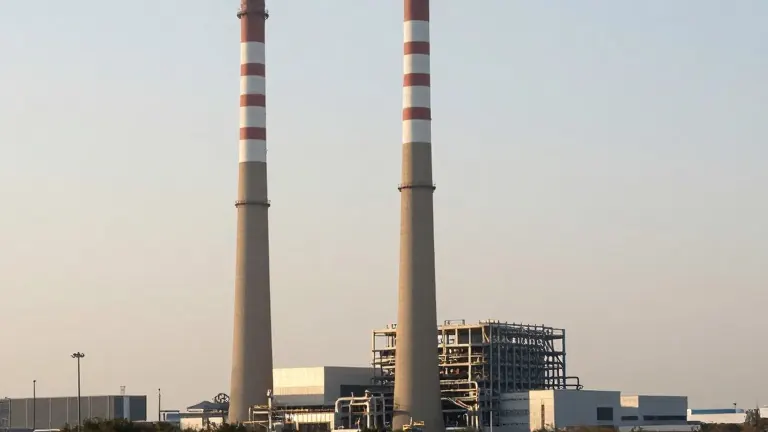
The Orlando Utilities Commission will keep burning coal at the Stanton Energy Center on the east side of Orange County through at least 2028, reversing a earlier plan to take the plant's first unit offline. The change stems from a federal emergency order and a surge in power demand from new data centers across Florida.
OUC originally scheduled to shut down Stanton Unit 1 for an extended period in late May 2026. That timeline halted when U.S. Energy Secretary Chris Wright signed an order on June 4 requiring the unit to remain available. The Department of Energy extended that mandate through November 30. Orlando Alancastro, the utility's vice president of transmission, said the federal government intervened to secure enough capacity for current needs.
The emergency order cites projections showing that Florida's resource and transmission growth lags behind the needs of new large loads. It notes that eight data centers were planned for construction in the state as of April 2026. OUC CEO Clint Bullock told a public workshop earlier this month that the scale of these facilities, often called hyperscalers, defies traditional forecasting. The utility also points to faster growth in electric vehicle usage, increased manufacturing activity, and a lack of new power generation built in the state in recent years.
OUC proposes an Electric Integrated Resource Plan that serves as a 20-year roadmap. Under this plan, Stanton Unit 1 would return to service in 2028 after being converted to run on either coal or natural gas. Unit 2 would undergo the same conversion in 2029. The document does not set a final date for ending coal combustion. Alancastro stated that converting existing units is more economical than building new resources. The plan also includes 150 megawatts of solar and 100 megawatts of battery storage by 2035, with gas plants using carbon capture and 345 megawatts of nuclear power listed as potential additions in the 2040s.
The utility projects the plan will raise customer bills by approximately 1% per year for the next five years. A proposed fuel charge reduction would lower a typical residential bill, calculated at 1,000 kilowatt-hours per month, by about $5 starting in April 2027. OUC asserts the strategy still meets its targets to cut carbon emissions 50% by 2030 and 75% by 2040 compared to 2005 levels. Coal's share of OUC generating capacity fell from 41% in 2019 to 27% in 2025, while solar capacity grew from less than 1% to 11%.
The OUC board is scheduled to vote on the integrated resource plan and the proposed fuel charge cut on December 15. Public comments on the 20-year roadmap are accepted through December 4 at oucfutureplanning.com.
More Business · Consumer Alerts · Report a business · Got a Story?