James Gray Reflects on Coppola's Enduring Advice and the Future of Personal Cinema
During the Doha Film Festival, director James Gray discussed how Francis Ford Coppola's early guidance shaped his career and the ongoing challenges facing independent filmmakers.
By Daniela Kelly ·
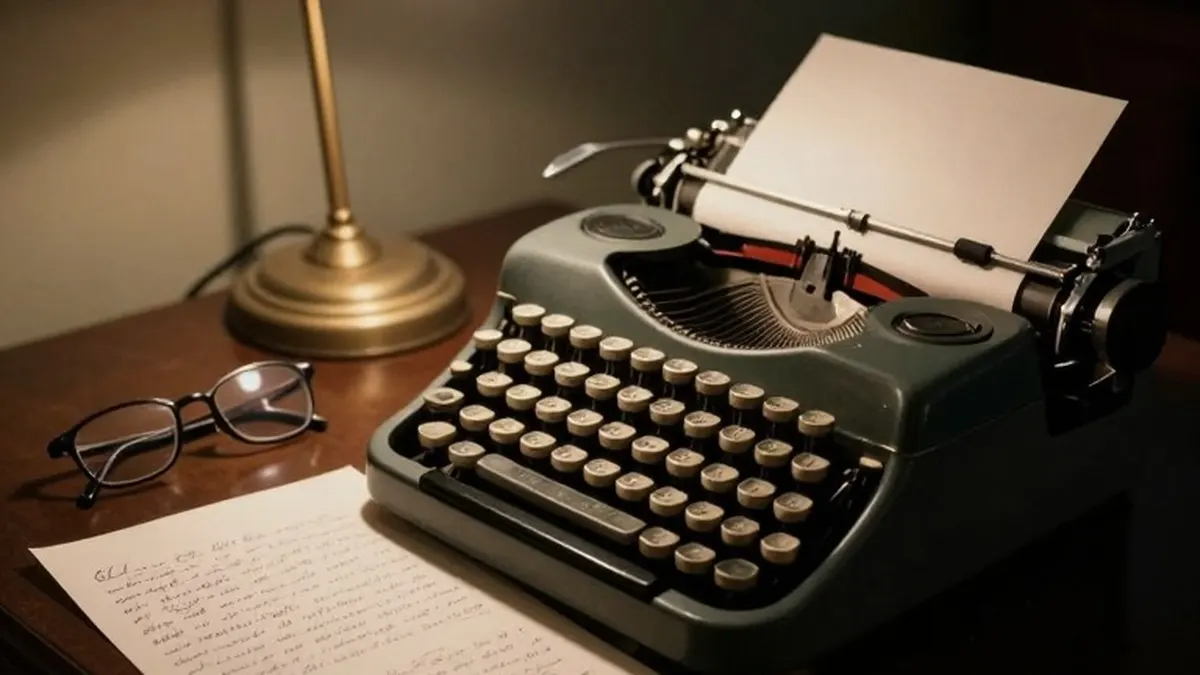
Filmmaker James Gray recently shared a formative moment from his youth that has guided his artistic direction for decades. As a teenager, Gray wrote a fan letter to legendary director Francis Ford Coppola. To his surprise, Coppola responded with a specific piece of advice that Gray has carried with him throughout his professional life. The core of that guidance was a reminder to remain authentic and individual in his creative output.
During a press conference on Sunday at the Doha Film Festival, Gray recalled the exchange. He noted that Coppola told him to be personal because there is only one person in the world who is exactly like him. Gray stated that he has tried to take this to heart, believing that if he has a voice that matters, it is best to express it as personally as possible. This philosophy remains central to his work, even as he observes industry trends that often pressure directors to suppress their individual perspectives.
Gray argued that the current systems within the film industry, both in the United States and abroad, often discourage directors from maintaining a distinct voice. He explained that these systems may actively discourage personal expression or attempt to hide a director's unique statement within larger, more generic genre frameworks. This observation comes as Gray prepares to present the MENA premiere of his latest film, Paper Tiger, a crime drama set in 1980s New York.
Starring Adam Driver, Miles Teller, and Scarlett Johansson, Paper Tiger follows two brothers whose pursuit of the American Dream leads them into a dangerous scheme involving the Russian mafia. Gray described the film as a project deeply rooted in his own family history. He aimed to faithfully capture the relationship between his father and his uncle, while acknowledging the potential limitations of his memory from years ago. The narrative also draws from a real confrontation between his parents, which the actors recreated almost exactly as it had unfolded in real life.
Although the film is categorized as a crime drama, Gray does not think of his work primarily in terms of genre. He views genre as a method of categorization rather than a definition of cinema's true purpose. For Gray, the goal is to tell his story as clearly and honestly as possible. He believes that this commitment to honesty fosters compassion and understanding, allowing audiences to see something in the filmmaker that matters to them. He described this personal approach as a serious responsibility and the true calling of a filmmaker.
The conversation also addressed the future of independent cinema. Rodrigo Teixeira, a Brazilian producer whose films Paper Tiger and Furies are both screening in Doha, pushed back against concerns regarding the dominance of Hollywood blockbusters. Teixeira argued that there will always be space for original films outside the major studio system. He cited companies like A24 and Neon as evidence that independent filmmaking continues to thrive despite industry mergers.
Teixeira compared the challenges faced by independent producers in Brazil and the United States, noting that while the difficulties are similar, the support systems differ. He highlighted that his home country has a government that actively supports cinema and art through federal funding. In contrast, he pointed out that the United States lacks comparable government support for the film industry.
Gray also reflected on the longevity of cinema. He previously believed the medium might follow a trajectory similar to opera, flourishing for a century before being eclipsed by another art form. While he acknowledged growing competition from video games and described the blockbuster model as overall quite harmful, he expressed renewed optimism. He believes that the increasing accessibility of filmmaking technology will introduce new voices to the medium.
This optimism stems from how modern tools have democratized the creation process. Gray suggested that the availability of technology allows for a wider range of perspectives to be shared, challenging his earlier pessimism about the future of the art form. The exchange in Doha highlighted a shared belief among these filmmakers that personal, independent voices remain vital to the health of global cinema.
More News · National news · Report a business · Got a Story?