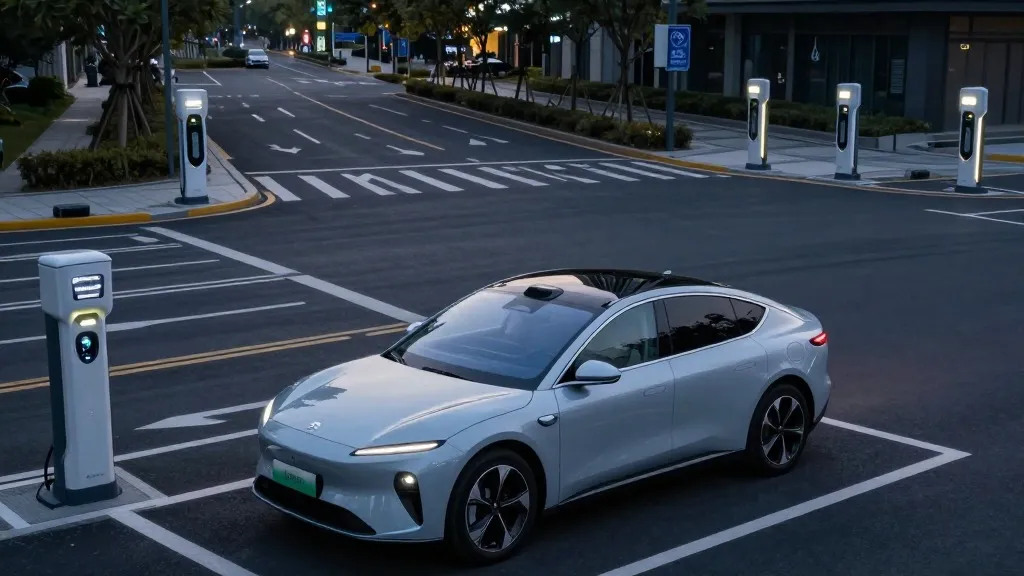
Cybercab Sales Launch By Year End
Tesla confirms private customers can purchase the autonomous two-seater before the close of 2026, though most units will remain in the company's robotaxi fleet.
By Jasmine Coleman ·
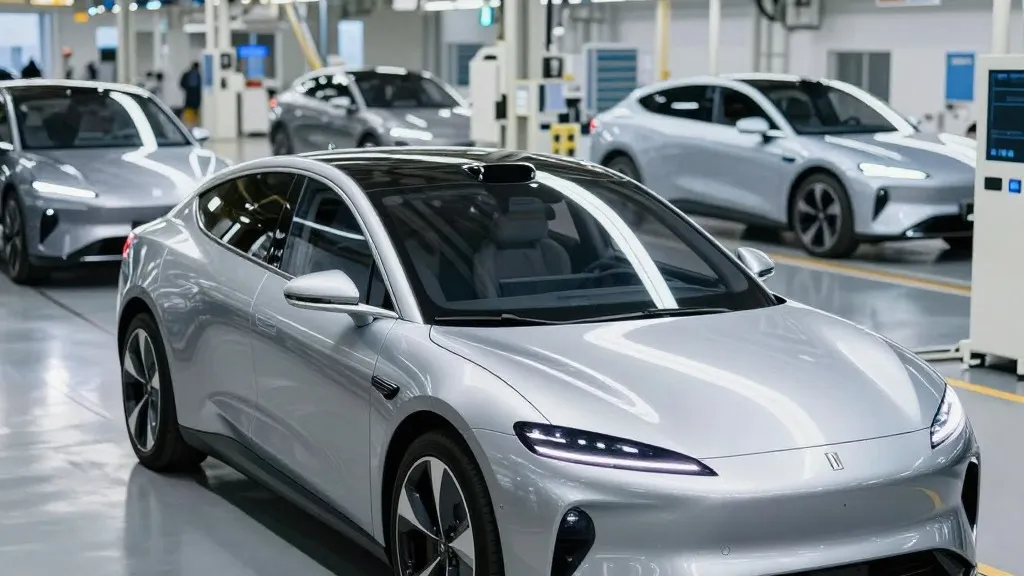
Tesla has officially set a deadline for the retail availability of its Cybercab, signaling that private buyers can secure the autonomous vehicle before the end of 2026. This announcement, made during the company’s third-quarter earnings call on October 21, puts a definitive timeline on the product, which had previously been the subject of market speculation regarding its near-term release.
The financial and operational details of the rollout suggest a phased approach to market penetration. While the target date for customer delivery is before the end of the calendar year, the initial volume of units allocated to private buyers will be limited. Tesla’s leadership emphasized that the majority of the production output from the line at Gigafactory Texas is currently being absorbed by the company’s internal Robotaxi fleet. This strategy allows the firm to refine its fleet management and autonomous driving capabilities in a controlled environment before handing over keys to external owners.
Lars Moravy, Vice President of Engineering, provided the specific timeline during the earnings call. He stated that the company is attempting to get Cybercabs into the hands of customers by the end of the year. Moravy noted that while production is actively underway, the current allocation is skewed heavily toward the internal fleet. He explained that as operations scale, Tesla intends to deliver fully designed autonomous vehicles directly to customers, with the Cybercab serving as the inaugural model in this category.
The business model for the Cybercab is distinct from Tesla’s traditional consumer car lineup. CEO Elon Musk clarified that the vehicle is primarily conceived as a 'transport-as-a-service' offering. Unlike the Model 3, Model Y, or the upcoming Roadster, which are designed for personal ownership, the vast majority of Cybercab units are expected to be Tesla-owned. This positioning aligns the vehicle more closely with the company’s existing Robotaxi operations rather than the standard private car market.
The Cybercab itself is a two-seater vehicle that omits traditional controls such as a steering wheel and pedals, relying entirely on Tesla’s Full Self-Driving technology. Production of the vehicle began in February 2026. By early September, Tesla had launched public rides using early units of the vehicle in its Robotaxi service. The company has previously indicated a target price point of approximately $30,000 for the vehicle, positioning it as a cost-effective option for both fleet operators and individual buyers.
Despite the clear delivery date, several operational hurdles remain for the company. Tesla must navigate the logistics of delivering vehicles that operate autonomously outside of its direct control. This includes establishing new ownership models and managing the integration of autonomous vehicles into private garages. The initial customer deliveries are expected to be small in scale, allowing the company to gather data on these new logistical and operational challenges as it scales up.
The broader timeline for autonomous driving capabilities also factors into the Cybercab’s rollout. Ashok Elluswamy, Tesla’s Head of AI, indicated during the same earnings call that unsupervised Full Self-Driving is expected to ship to consumer cars during the second quarter of 2027. This suggests that while the hardware for the Cybercab is ready for delivery in late 2026, the full software suite for unsupervised driving on existing consumer models will follow in the following year.
Regulatory factors may also influence the early experience of Cybercab owners. Elluswamy noted that early buyers or fleet operators might receive vehicles whose autonomous operation remains geographically restricted. These restrictions are anticipated due to the varying pace at which regulatory agencies are approving autonomous vehicle operations. As a result, the initial wave of private Cybercab owners may face limitations on where they can deploy the vehicle’s full autonomous capabilities, a factor that could impact both consumer satisfaction and fleet efficiency in the short term.
Source: Teslarati