Chile's Atacama Desert Sees Record Bloom After El Niño Floods
Heavy rains triggered the largest floral display in three decades, boosting tourism and prompting UNESCO bid.
By Yasmin Parker ·
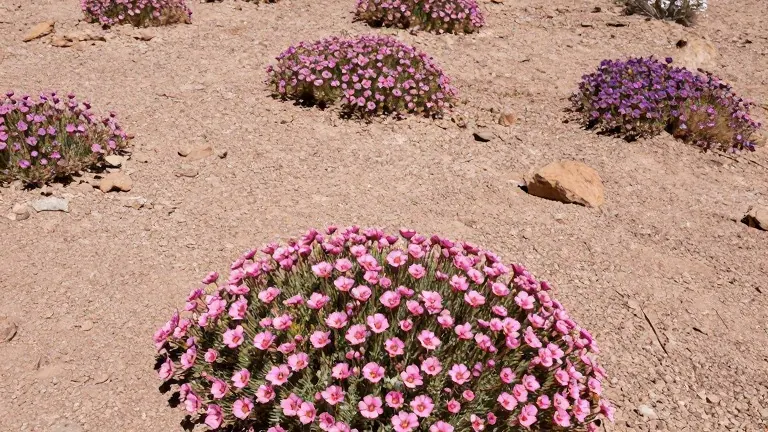
The Atacama Desert in Chile is currently covered in pinks, yellows, and purples following a series of flash floods. Heavy rains associated with the El Niño super cycle brought some of the heaviest precipitation recorded since the 1950s. This water penetrated deep into the dry soil, waking millions of dormant seeds and bulbs. The result is the largest and most colorful floral bloom in 30 years.
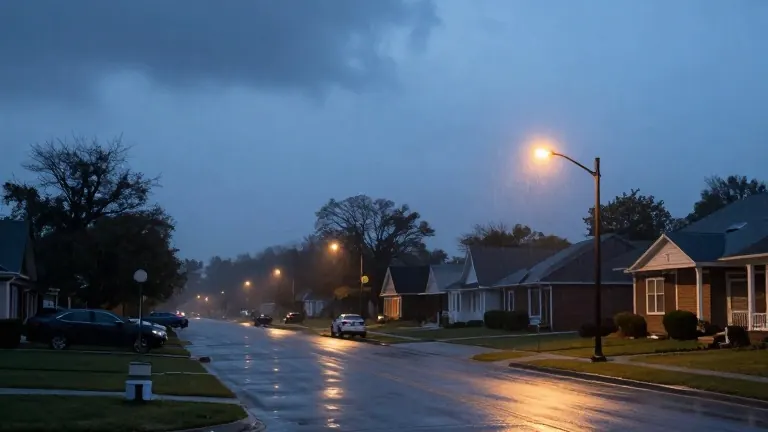
The same floods caused damage to dozens of homes and forced hundreds of residents to evacuate in July and August. However, the rainwater also allowed more than 200 plant species to sprout. A pale yellow haze appeared first, followed by soft purple hues. Now, color streaks across nearly every crevice in the desert floor.
Moisés Grimberg, administrator of Llanos de Challe National Park, describes the event as a natural seed bank becoming a living archive. He notes that the biological window for these species to complete their life cycle lasts only two to three months. Scientists have found blooms in areas where flowers were never previously recorded. This suggests some bulbs remained dormant since before detailed studies began in 1997.
The bloom has drawn a surge of visitors to the 113,000-acre park. While the site usually receives about 10,000 visitors annually, 15,000 tourists arrived in the last few weeks. Chile's national tourism board projects approximately 300,000 overnight trips during the two months the flowers remain in bloom. Roads across the region are lined with cars from visitors.
Among the rare plants is the garra de león, a crimson flower with flame-like green leaves. This species grows along just a few miles of the Atacama coastline and nowhere else on Earth. The bloom supports a temporary ecosystem, attracting insects, lizards, bats, and larger mammals like the guanaco.
Biologists from INIA, the national seed bank, are collecting specimens before the season ends. Ana Sandoval, a field biologist, collects seeds to analyze genetic material and unique adaptations. She notes that the desert is not empty but waiting for the right conditions to awaken.
Miguel Vargas, governor of the Atacama region, is seeking UNESCO World Heritage recognition for the phenomenon. He aims to diversify the local economy, which currently relies heavily on mining. Vargas hopes to secure the site within a couple of years, making it Chile's eighth World Heritage site. The current bloom is projected to last until mid-November.