BGU Launches Nuclear Reactor Design Competition to Build Engineering Talent
Ben-Gurion University has started a multi-year academic program where student teams will design small modular nuclear reactors to prepare Israel for a potential shift in its energy strategy.
By Yasmin Parker ·
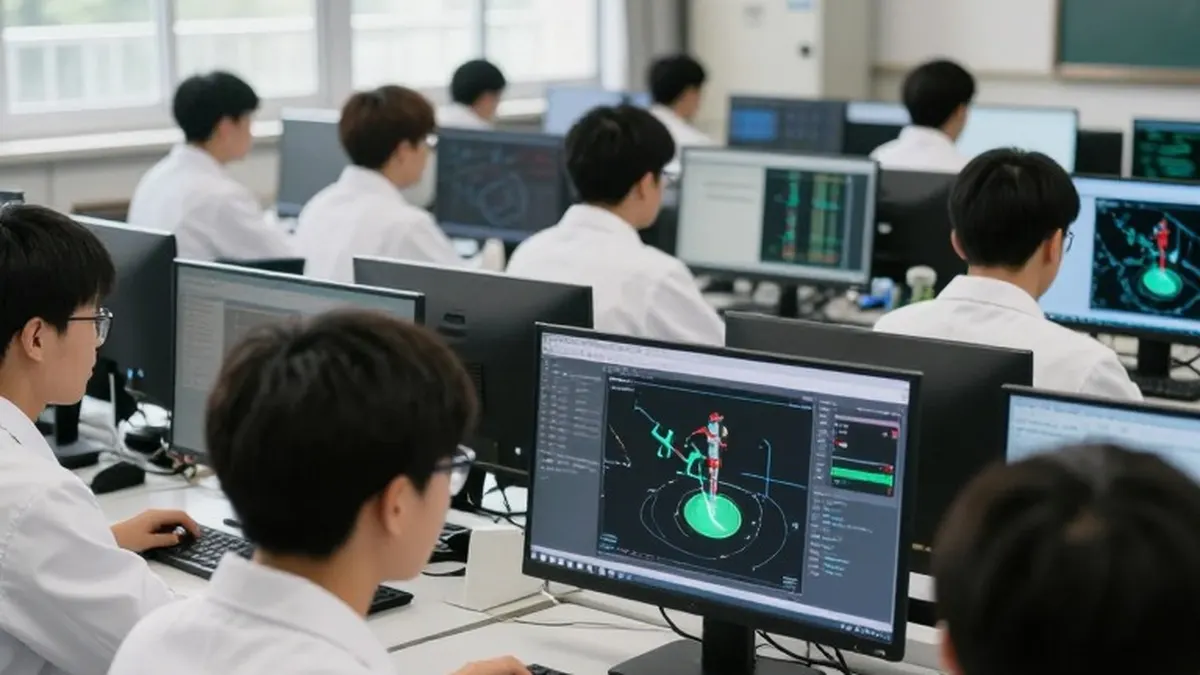
Ben-Gurion University of the Negev announced on Thursday the launch of a new academic initiative designed to cultivate the engineering expertise required for Israel's potential adoption of nuclear power. The program, known as the BGU Nuclear Challenge, will involve approximately 40 students who will develop competing designs for small modular nuclear reactors. This effort comes as the country considers adding nuclear energy to its existing electricity supply.
The announcement was made alongside the official inauguration of the Klein Institute for Nuclear Science and Engineering. Students from more than ten different academic departments at the university will be organized into four distinct teams. Each group is tasked with creating a reactor design capable of generating 60 megawatts of electricity. The reference site for these designs is located in the Negev, and the projects may also incorporate features for water desalination.
The university intends to select a winning design in May 2029, a date that coincides with the institution's 60th anniversary. Despite the technical nature of the assignment, the project will remain strictly academic. No physical reactor construction will take place, and no nuclear materials will be handled during the competition.
The initiative addresses a significant gap in Israel's current energy infrastructure. The country currently generates over 70% of its electricity from natural gas and has no electrical grid connections to neighboring nations. Consequently, the Ministry of Energy is actively examining nuclear power as a viable addition to the national energy mix.
Prof. Erez Gilad, who serves as the director of the Klein Institute and chair of BGU's Unit of Nuclear Engineering, highlighted the critical need to develop qualified specialists before major energy decisions are finalized. He stated that the goal is not to build a physical reactor immediately, but rather to build the generation of engineers who will allow Israel to choose its nuclear future wisely.
To ensure a diverse range of solutions, each team will investigate a different reactor technology. The specific types being explored include pressurized water, liquid-metal-cooled, molten salt, and helium-cooled reactor systems. This variety allows students to explore the full spectrum of current small modular reactor concepts.
The program is scheduled to begin with preparatory work during the 2026/27 academic year. Student recruitment and formal training are set to commence in the autumn of 2027. Following this period of development, the teams will present their preliminary designs in the autumn of 2028, after which they will undergo independent technical assessments to determine their viability and innovation.
BGU's Unit of Nuclear Engineering is currently the only academic unit in Israel authorized to award degrees in nuclear engineering. This unique position allows the university to lead national efforts in training the next generation of energy specialists. The initiative aims to bridge the gap between theoretical education and practical application in the nuclear sector.
Prof. Yaniv Gelbstein, the rector of the university, emphasized that the program combines engineering education with research that directly addresses Israel's energy needs. He noted that while the reactor designs themselves are important, the graduates produced by the program will be even more significant for the country's long-term goals.
The selected design, which will be designated as BG-SMR-60, is expected to serve as a platform for future academic research and development. By fostering this level of detailed engineering work, the university hopes to contribute to a more informed and technically robust national energy policy.