WCK Founder Clarifies Gaza Casualties Were Not Organization Personnel
Jose Andres stated that the three individuals killed in a recent strike on an aid vehicle in Gaza were not part of World Central Kitchen's staff or assets.
By Yasmin Parker ·
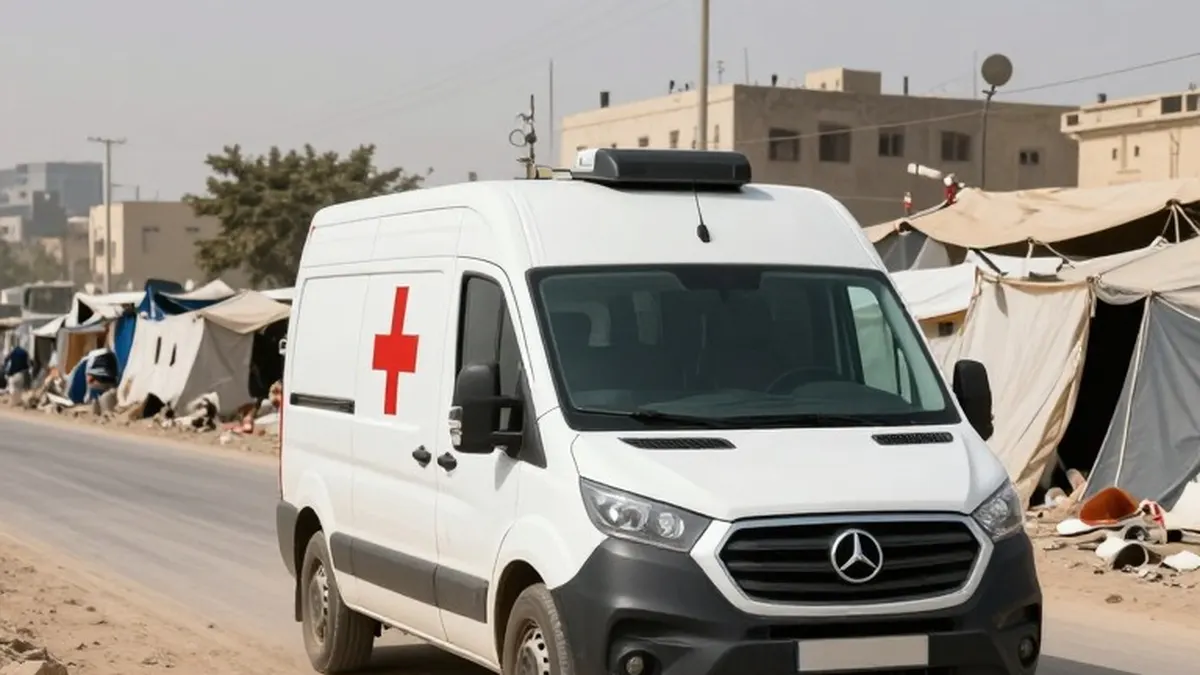
Jose Andres, the founder of the World Central Kitchen, has clarified that the three people killed in an Israeli military strike on a food delivery vehicle in Gaza did not belong to his organization. In a statement released on social media, Andres emphasized that neither the victims nor the vehicle were associated with the World Central Kitchen.
The incident occurred on November 22, 2026, in Gaza City. Initial reports had suggested a connection between the deceased and the humanitarian group, leading to widespread speculation. Andres addressed these early reports directly, noting that the only confirmed facts were that the individuals were not on his team and the vehicle was not owned by the organization.
Prior to Andres' clarification, the Israeli army had issued its own account of the strike. In a post on X, the military claimed it targeted three members of Islamic Jihad who were using a vehicle to transport food and supplies to other operatives within Gaza. The strike resulted in the deaths of all three individuals in the vehicle.
Andres used the occasion to highlight the ongoing humanitarian challenges in the region. He noted that more than a year has passed since the implementation of a ceasefire, yet people in Gaza continue to lose their lives. He pointed out that families are now facing their fourth winter living in temporary tents, underscoring the fragility of the current situation.
The chef and activist argued that a ceasefire is not synonymous with peace. He called upon leaders on all sides of the conflict to complete the work of ending the war permanently. His goal is for Palestinians and Israelis to live in safety and for the people of Gaza to begin the long process of rebuilding their homes, schools, and kitchens.
Andres described the current state of affairs as a temporary truce rather than a lasting resolution. He urged political leaders with the power to effect change to move beyond a mere halt in hostilities toward a definitive end to the conflict. This, he believes, is necessary for the long term stability of the region.
Despite the tragic loss of life, Andres confirmed that World Central Kitchen teams were active in Gaza on the day of the strike. He stated that local teams, described as Gazans feeding Gazans, were cooking and providing meals. He assured that the team would continue their work the following day, maintaining their presence in the area.
In his closing remarks, Andres reflected on the symbolic nature of food aid. He described a plate of food as a source of hope for the recipients. However, he cautioned that while food provides immediate relief, it does not constitute a future. He concluded by stating that only peace can provide that future for the people of Gaza.
The clarification comes as the humanitarian situation in Gaza remains a focal point for international attention. The distinction between military targets and civilian aid workers is often a subject of debate during active conflicts. Andres' statement aims to correct the public record regarding the specific incident involving the World Central Kitchen.
The organization continues its operations in the region, focusing on providing nutritional support to those in need. The incident highlights the complexities of delivering aid in conflict zones and the importance of clear communication regarding the status of personnel and assets involved in humanitarian efforts.