UK food producers welcome EU trade agreement despite implementation delays
British food and agricultural producers have welcomed a new UK-EU deal that removes most physical border checks, though some industry leaders caution that full benefits will not be realized until the agreement takes effect in 2028.
By Yasmin Parker ·
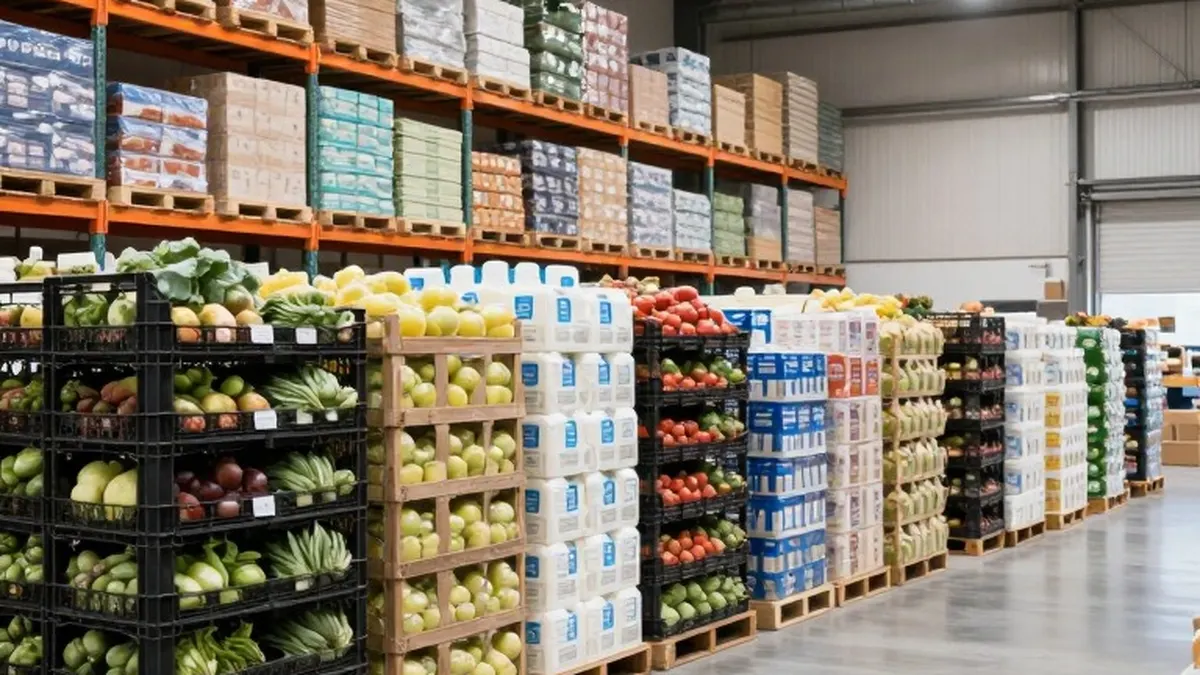
British food manufacturers and agricultural producers have generally expressed approval for the new trade agreement with the European Union. The deal is designed to eliminate the majority of physical inspections on food, plant, and animal products. This sanitary and phytosanitary arrangement is expected to significantly benefit UK exporters and allow small retailers, such as delicatessens, to import European cheese and wine. These imports had become economically difficult to sustain due to the high costs of post-Brexit border checks.
The agreement is scheduled to take effect on 1 March 2028. It aims to reopen the EU market for various UK goods, including fresh sausages, burgers, seed potatoes, and molluscs. However, some industry leaders remain cautious. Since the UK left the bloc, decades-old trading patterns have been disrupted, and many exporters are waiting for the deal to be fully operational before making major strategic changes.
Iain Barbour, operations director at the Scottish seed potato producer Jamieson Brothers, noted that confidence will only grow once the new processes are physically in place. Seed potatoes were previously excluded from the post-Brexit trade deal due to disagreements over certification standards. This exclusion halted exports to the EU, despite the high health status of Scottish produce. The industry, which was worth approximately 112 million pounds annually, was particularly hard hit, as Scottish farmers had previously accounted for three-quarters of UK production.
The loss of the Irish market specifically affected Jamieson Brothers, as Ireland and the EU represented a fifth of their trade before Brexit. The company adapted by taking on packing work that was previously done in the EU, a shift that Barbour estimates cost around 500,000 pounds. He stated that working with more partners helped keep the business viable. While he looks forward to supplying Irish customers again, he expects it will take at least three years to revive specific potato varieties that were no longer grown and are currently stored in a seed bank.
Barbour explained that many Scottish farmers stopped growing varieties popular in Ireland because they were not in demand in England. Some of these varieties had been cultivated for a century but were abandoned within a few years. He anticipates that most growers will remain hesitant to fully resume trading until 2029. This is because the March 2028 implementation date is considered a few months late for the trade cycle, as most sales occur at the start of the year and crops must be planted in advance.
The sector for live bivalve molluscs, including mussels, oysters, and clams, also hopes to benefit from the new deal. Although the industry is small, with a pre-Brexit value of less than 12 million pounds, it is vital for certain coastal communities. Offshore Shellfish, a family-run business in Lyme Bay, Devon, has continued exporting to Europe despite administrative burdens and occasional blocks by French customs. The company sends the majority of its blue mussels to the Netherlands for processing before they reach restaurants and supermarkets in Belgium.
Sarah Holmyard, commercial director of Offshore Shellfish, highlighted a key provision in the new agreement: it allows for the export of live molluscs even if they are not from waters with the highest quality rating. Previously, any temporary drop in water quality to class B could halt exports. Holmyard described this change as a significant victory for the company, which has long advocated for this flexibility.
Despite the positive outlook, the deal arrives too late for some producers who have already exited the market. In the Menai Strait, which separates north Wales from Anglesey, three out of four mussel fishing companies stopped trading after exports became too difficult to manage. Rich Clothier, managing director of Wyke Farms in Somerset, welcomed the end of physical border checks on dairy products. His company exports about a quarter of its cheddar to the EU, primarily to France, Germany, and Spain.
Clothier noted that while dairy exports have faced fewer issues than seed potatoes or mussels, the removal of veterinary checks is still a major benefit. He described the previous approval process as bureaucratic and outdated. The new agreement is expected to save costs and reduce product waste, which is critical for perishable goods. Clothier expressed frustration at the long timeline for implementation, noting that despite the delays, the UK and EU are already fairly aligned in their standards.