Supreme Court Clears West Texas Wall
The high court ruled that a federal judge lacked authority to block border construction in Big Bend National Park.
By Yasmin Parker ·
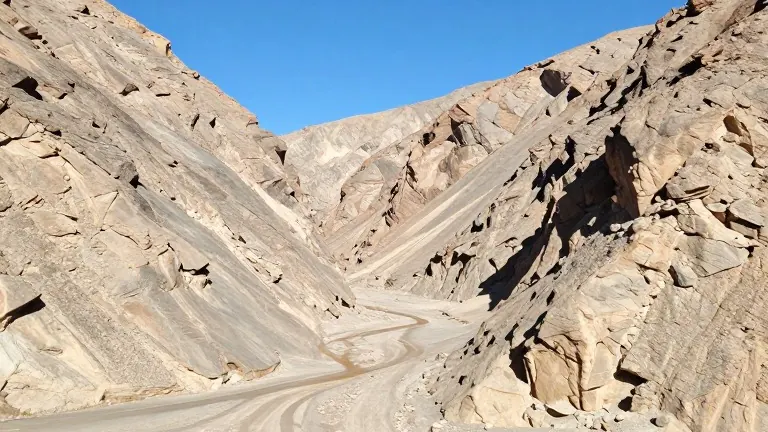
The U.S. Supreme Court allowed the Trump administration to resume building border infrastructure in west Texas on Monday.
The five-page decision overturned a temporary injunction issued by a federal judge in El Paso.
The court wrote that the lower court judge did not have the authority to weigh in on the matter.
The ruling permits the construction of 30-foot-tall steel barriers, patrol roads, and surveillance systems.
The project includes hundreds of miles of barrier and security infrastructure across the region.
The case involves plans to build through Big Bend National Park, a popular area for public recreation.
The federal government filed an emergency application in late October to restart work.
Solicitor General John Sauer argued that a gap in border defenses would act as a magnet for cartels.
He described the lower court injunction as baseless and unprecedented.
The court noted that federal law allows Homeland Security Secretary Markwayne Mullin to waive environmental protections.
The justices described this waiver as a clear preference for expeditious construction over cited harms.
Justice Ketanji Brown Jackson was the sole dissenter in the decision on Monday. The Center for Biological Diversity led the lawsuit against the construction plans. The group joined forces with a local nonprofit preserving a historic church and a landowner near the border. The plaintiffs claimed the administration's plans were unconstitutional. They argued that residents would suffer irreparable harm if construction continued. Laiken Jordahl of the Center for Biological Diversity said the decision greenlights contractors and allows bulldozers to return. She stated that the ruling permits the dynamiting of canyon walls and the bulldozing of desert terrain. The project has drawn criticism from politicians across the political spectrum. Critics say the rugged terrain and harsh climate make a wall unnecessary in this specific sector. They expressed concern over impacts on the environment, Indigenous sites, and the tourism economy. U.S. Customs and Border Protection covers a nearly 500-mile stretch in the Big Bend Sector. This area accounts for more than a quarter of the U.S.-Mexico border. CBP data shows the sector regularly records the fewest encounters along the Texas border.