Russia protests Estonia border closure
Moscow summoned Estonia’s diplomat on Monday to object to the suspension of traffic at five border crossing points starting December 1.
By Daniela Kelly ·
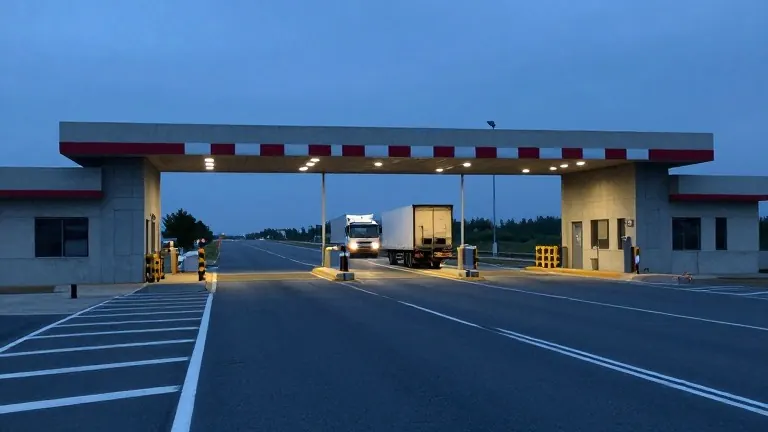
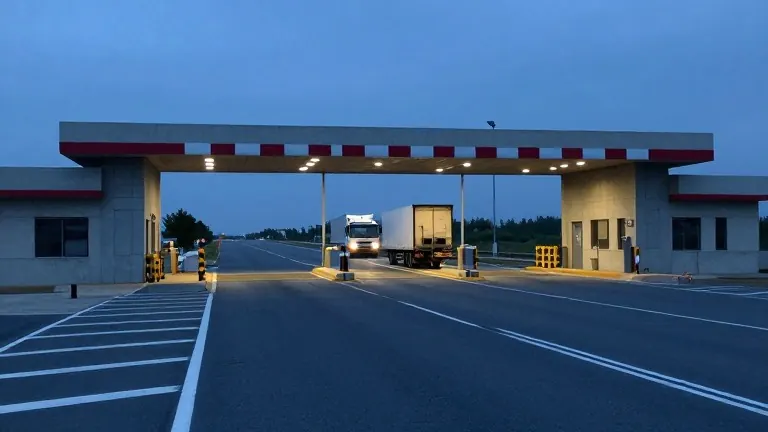
Russia’s Ministry of Foreign Affairs summoned Marek Ühtegi, the Estonian chargé d’affaires in Moscow, on Monday to register a formal protest against the upcoming suspension of border traffic. The Estonian government voted on November 20 to halt all crossings at the Russian-Estonian border beginning December 1. This move stops movement at five specific points: Narva-1, Narva-2, Koidula, Luhamaa, and Saatse.
The decision followed an attempted sabotage attack at Threod Systems, an Estonian defense firm that builds reconnaissance and combat drones. Russian military intelligence organized the failed arson attempt near Tallinn. Moscow’s foreign ministry dismissed claims of its involvement in that incident as baseless during the meeting with Ühtegi.
Russian officials labeled the border closure "yet another anti-Russian stunt." The ministry argued that Tallinn is not seriously considering the economic fallout. "Closing the state border will primarily deal another blow to the Estonian economy and boomerang back on both Tallinn itself and its allies in the EU and NATO," the ministry stated.
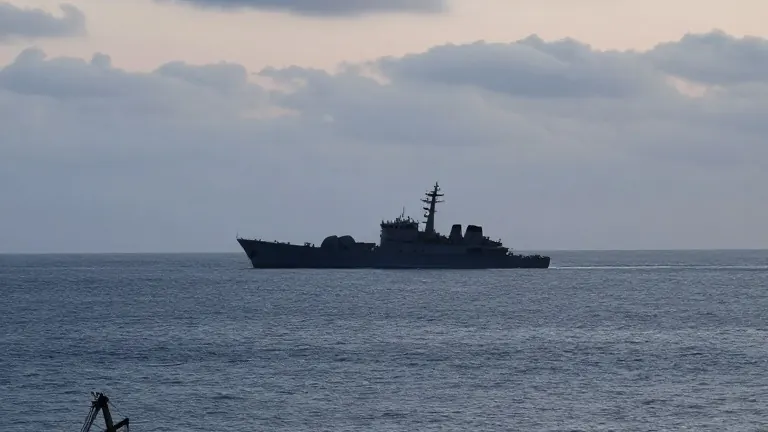
Moscow also voiced dissatisfaction with Estonian maritime enforcement. The ministry claimed Tallinn is attempting to impose a naval blockade by inspecting, seizing, and arresting Russian cargo vessels in the Baltic Sea. This friction comes after Estonia banned the transit of Russian and Belarusian grain through its territory in October.
The Russian side further alleged that Estonia is suppressing the Russian language at all educational levels and targeting residents sympathetic to Moscow. The ministry also cited threats from Estonian authorities to liquidate the Estonian Orthodox Christian Church, which remains canonically linked to the Moscow Patriarchate.
Estonian drivers and traders face the immediate impact of the shutdown starting next week. The suspension applies to all traffic types at the five designated crossing points along the shared border.