Rio Grande Valley Drives Texas Senate Flip
County data reveals a massive partisan shift in key states, including a historic Democratic win in Texas.
By Yasmin Parker ·
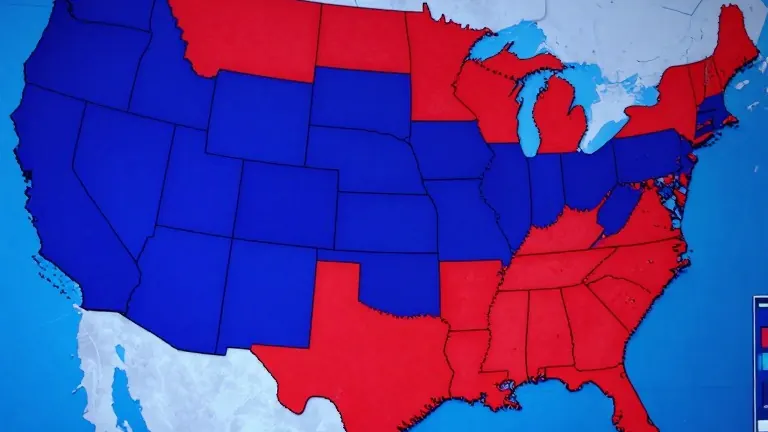
Voters in seven states replaced their Republican Senate incumbents with Democratic candidates on Tuesday. These changes occurred in regions where President Donald Trump won by double digits in the 2024 presidential election. The Democratic margin expanded by more than 25 percentage points in Texas and over 20 points in both Kansas and South Carolina.
Election data shows a near-uniform shift toward the Democratic Party across the nation. In the seven states where Senate control changed hands, voters moved toward Democrats in more than 780 of 800 counties. This pattern appeared in both traditional Democratic strongholds and areas that remained solidly Republican. In Texas, for example, many counties stayed heavily Republican but still saw a measurable departure from the GOP.
The Rio Grande Valley in Texas provides a clear example of this reversal. This heavily Latino region had been reliably Democratic for decades before swinging toward Trump in 2024. This year, the area voted back toward the Democratic candidate, James Talarico. In Cameron County, home to Harlingen, Talarico secured a 38.5 percentage-point margin. This result contributed to his victory, marking the first Democratic Senate win in Texas since 1988. Similar shifts occurred in Hidalgo and Webb counties, which contain the cities of McAllen and Laredo.
A key factor in Talarico’s success was the performance in the state’s central corridor. This area, known as the blue spine, runs along Interstate 35 and includes Laredo, San Antonio, Austin, Waco, and the Dallas/Fort Worth area. These 21 counties have grown more Democratic over the last decade, despite the party’s lack of statewide office wins since the 1990s. The region first gained national attention in 2018 when Beto O’Rourke came close to defeating Ted Cruz.
Talarico carried this central region by approximately 26 points. This margin is more than double the performance O’Rourke achieved in his 2018 campaign. The data compares each county’s voting margin in the 2024 presidential race to the 2026 Senate contest. Maine and New Hampshire report results by town, so analysts aggregated those figures to match county totals. Alaska is excluded from the county-level map because it reports results by state House district.
The results in Maine and New Hampshire remain preliminary and may change as local towns finish reporting. Overseas absentee ballots from Maine are not assigned to specific towns and are therefore not included in the county totals. Mississippi and Alaska were also examined but remained too close to call as of Thursday. The county-level analysis illustrates the scale of the partisan movement that drove the Senate changes.