Manchester Sound System Pioneers Revive Black Music History
Decades after their origins, Manchester sound system founders are preserving and revitalizing the city's reggae culture to serve as both education and community hub.
By Daniela Kelly ·
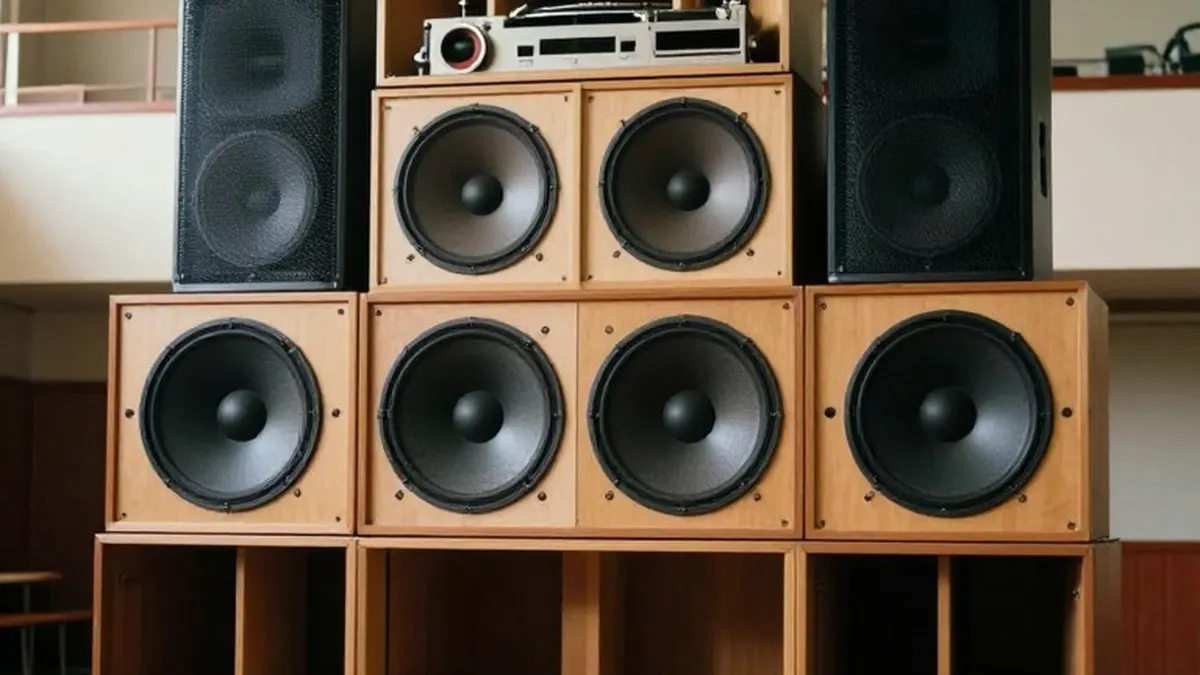
For many young Black residents of Manchester, formal education was supplemented by the lessons learned through turntables, amplifiers, and Jamaican records. Errol Beaumont, a founder of the long-running Baron Turbo Charge sound system, notes that while their parents worked multiple jobs, the music provided a sense of identity that schools often lacked. Artists such as Bob Marley, Burning Spear, and Culture served as educators, offering cultural context that was absent from the standard curriculum. For this generation, the sound system was not merely a source of entertainment but a vital form of instruction.
More than fifty years after the children of Windrush-generation pioneers established a distinct Black British youth movement, the Manchester sound system scene is experiencing a significant revival. Keithly Brandy, an archivist dedicated to the city's postwar Black history, has collaborated with museums and universities to preserve flyers and documentation from the 1970s and 80s. Simultaneously, Winston Jones, founder of Trafford Bar Studios, has launched a podcast series to document the era, ensuring that the history of these cultural institutions is recorded for future generations.
The movement has also expanded globally. The Megatone Sound Foundation, which originated in Manchester, has supported the establishment of sound systems across the Black diaspora, including in Jamaica, The Gambia, and Ethiopia. This international reach mirrors the city's original inspiration from Jamaica, creating a full circle of cultural exchange. Locally, Baron Turbo Charge continues to keep reggae vibrant in the Moss Side neighborhood, offering a sense of belonging to those who are now in their sixties.
The personal journeys of these pioneers often began in modest settings. Marcus of the Megatone Sound Foundation started his career in 1976 in his parents' front room in Old Trafford. At nine years old, he dismantled a family stereogram to build a homemade system called Conqueror. This early experiment grew into a professional sound system, reflecting a broader trend where the scene was concentrated in house parties, community functions, and youth clubs in areas like Hulme and Moss Side.
The musical choices at these venues varied based on the audience. Parents often approved of Bob and Marcia’s “Young, Gifted and Black,” while youth clubs like Aquarius and Proctor’s favored the sounds of Dillinger and Johnny Clarke. The scene also saw the rise of female-led sounds like Kilowatt, which attracted audiences with lovers rock music. These diverse preferences highlighted the inclusive and evolving nature of the community.
Preservation efforts have brought this history into public view. A contract from broadcaster David Rodigan’s appearance at the PSV club, a reggae venue founded by Black bus drivers, is currently displayed in the V&A East exhibition “The Music is Black: A British Story” in London. This item is part of the extensive archive maintained by Brandy, who launched his own sound system, Tyban Sounds, in 1976 alongside friends “Big” Trevor Bell and “Young” Trevor Bell. They were inspired by older soundmen who had brought the culture from the Caribbean.
Brandy recalls the excitement of bringing London’s Conqueror sound system to Manchester Carnival and an after-party at Abasindi’s women’s co-operative. This event required persuading his mother, carnival pioneer Locita Brandy, to allow the young people to perform. The sound system culture itself originated in 1940s Jamaica, playing American R&B and mento music, before evolving in the US to influence hip-hop and in the UK to encompass a wide range of genres from roots reggae to jungle.
Despite this evolution, reggae remains the core of the culture. Winston Jones describes 1970s reggae as a newspaper that taught history and highlighted figures like Marcus Garvey and Nelson Mandela. He founded Trafford Bar Studios using compensation from his experience in the Windrush scandal. The creative space offers free training in DJing, photography, and podcasting to young people, echoing the movement’s ethos of collective empowerment.
Jones emphasizes that the studio provides hope to young people who may feel excluded after leaving school. He has funded a podcast to preserve the stories of Manchester’s soundmen, noting that everyone has a narrative to share. Meanwhile, Errol Beaumont returned to playing dances after a long hiatus to address the lack of entertainment for his generation. He recalls the early days of Baron Turbo Charge, when he and friends saved money to buy a secondhand amplifier and built speaker cabinets from timber scavenged at a building site.
The group’s first major event took place in the flats of the Hulme Crescents estate. They hauled the untested gear up the stairs, and the system fell apart on the second floor. That moment marked their decision to take the scene seriously. Today, the West Indian Sports and Social Centre in Moss Side serves as a key venue for these events. The Megatone Sound Foundation also performs in Europe, while Jones notes that Manchester’s multicultural and working-class solidarity continues to define the city’s unique musical identity.