Iraq intensifies crackdown on oil smuggling network in Najaf
Iraqi authorities have detained officials and politicians in Najaf following the discovery of clandestine pipelines, marking a broader government effort to combat organized oil smuggling linked to political and militia networks.
By Daniela Kelly ·
Iraqi authorities have launched a significant investigation into unauthorized oil smuggling operations in Najaf province, uncovering clandestine pipelines and detaining several officials. The probe has expanded to include local political figures, members of the Energy Police, and individuals with ties to prominent political families, highlighting deep concerns about corruption and weak oversight within the country's energy sector.
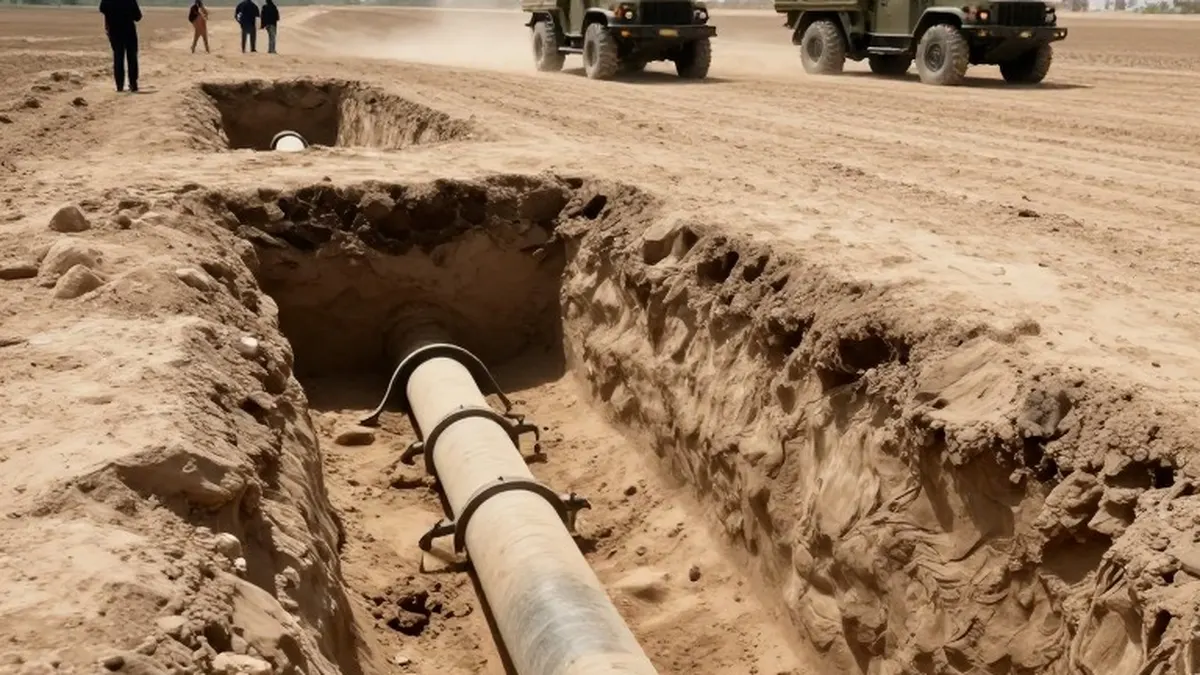
The Supreme Judicial Council announced on November 21 that investigators discovered oil being smuggled through a pipeline located on land belonging to Mohammed Ali al-Hasnawi, a member of the Najaf provincial council who heads its energy committee, and his brother. Following an inspection by an investigative judge, the court confirmed that preliminary findings revealed active smuggling operations through the pipeline.
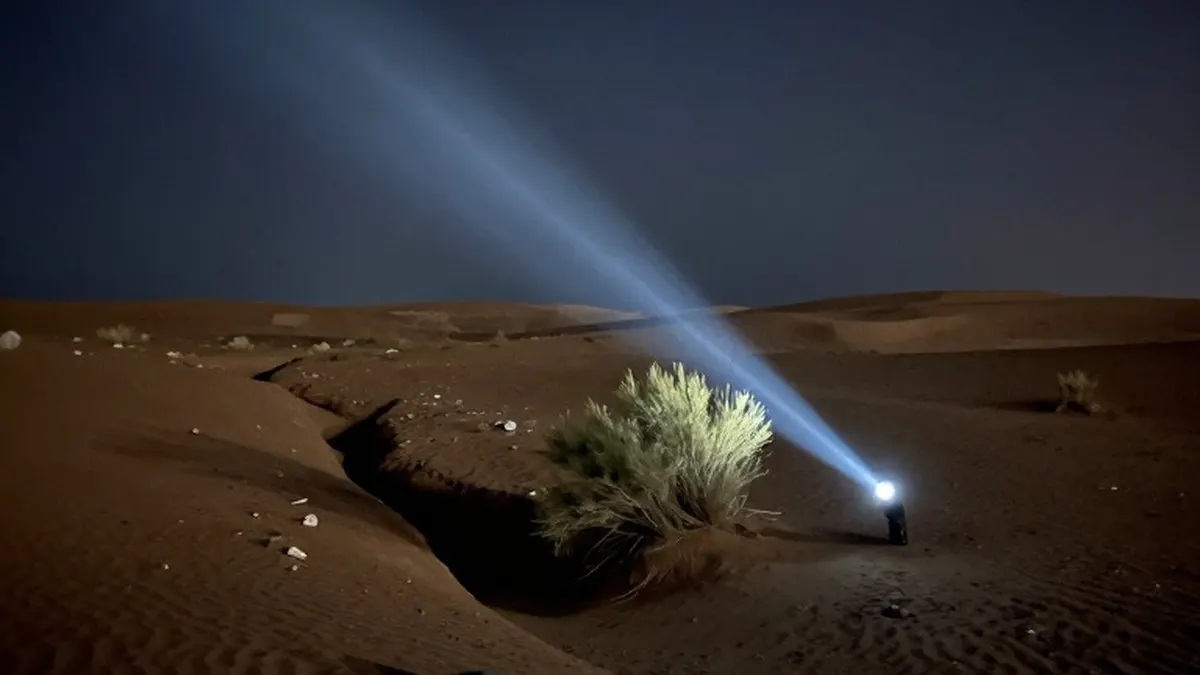
In response to the evidence, the court ordered the detention of five officers and three personnel from the Energy Police. Testimony provided by the detained police staff implicated the provincial council member and his brother, leading the court to issue arrest warrants for both. Investigators also found that a trench had been dug around the property to restrict access and prevent outsiders from observing the activities, while authorities continue to examine allegations of other illegal activities, including possible drug smuggling.
Reports from Al-Ain News and the Iraqi News Agency indicate that the investigation has widened to agricultural properties in the Al-Haydariya district. Security forces discovered two underground pipelines in the area, with one extending approximately 500 meters and the other measuring around three kilometers. The arrest of Hussein al-Abbasi, identified as the brother of the council member and Iraqi lawmaker Abdul Hadi al-Hasnawi, has drawn attention to potential links with Muqtada al-Sadr's Shiite National Movement.
Security forces reportedly encountered resistance from local figures during inspections, prompting the dispatch of military reinforcements to support searches and pursue suspects. Sources suggest that senior officers and numerous Energy Police personnel may have provided protection or facilitated the smuggling operations. Additionally, it has been claimed that parliamentarian Ali Nahir, a member of former prime minister Mohammed Shia al-Sudani's coalition, intervened on behalf of detained officers, though these allegations remain under investigation.
The Najaf case is part of a broader government campaign to combat organized crude smuggling. Prime Minister Ali al-Zaidi has intensified efforts following reports of theft in Jurf al-Sakhr, also known as Jurf al-Nasr, in Babil province. This area has long been associated with the Iranian-backed Kataib Hezbollah militia, which maintains a powerful presence there.
Last week, Prime Minister Zaidi directed military commanders, provincial police chiefs, and intelligence officials to assume direct responsibility for preventing oil smuggling within their jurisdictions. He stated that the government stresses the need to tighten oversight and security measures to hold those negligent accountable, asserting that no part of Iraq from Zakho to Basra should remain a zone where smuggling is practiced.
This crackdown signifies that Baghdad is treating oil smuggling as a nationwide security and governance issue rather than a series of isolated criminal incidents. The recent investigations in Najaf and Jurf al-Nasr illustrate the scale of the problem, which has been linked to Iranian-backed groups in some cases, potentially aiding Iran's interests.
Previous incidents have occurred in other regions, including accusations of theft in Basra in 2022 and reports of a tunnel used to siphon oil in Kirkuk in 2025. Arrests have also been made in the Nineveh region near Mosul involving the shakedown of tanker trucks, while an illegal small pipeline was found in Salahaddin.
The ongoing judicial findings aim to determine responsibility and identify additional criminal activity. The ultimate challenge for Iraqi authorities lies in dismantling smuggling networks that benefit from political protection and connections within the security establishment. These efforts are seen as an attempt to reverse decades of exploitation of the country's energy resources by various groups taking advantage of the state's relative weakness.