Iran Implements Electricity Rationing Amid Uncertainty Over US Strategy
Iran begins rationing electricity and managing bread supplies as it faces winter, while US President Trump signals a desire for a permanent deal with Tehran despite ongoing military tensions.
By Daniela Kelly ·
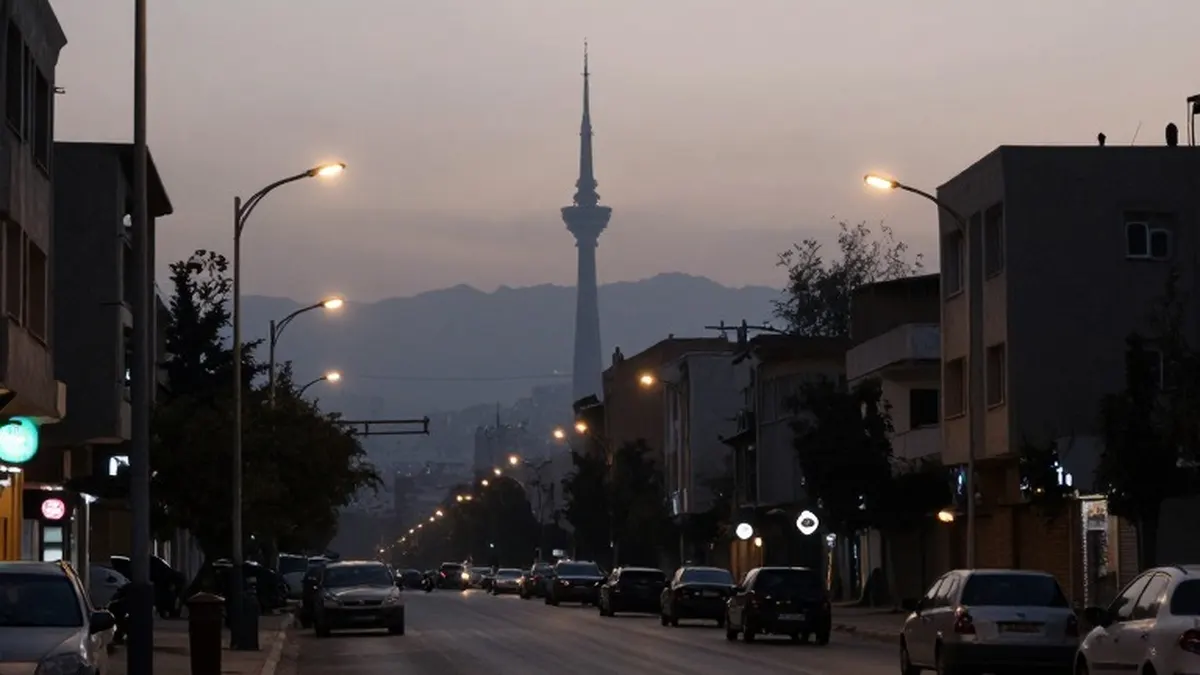
Iran will begin rationing electricity on November 22, a move announced as the nation navigates significant uncertainty regarding President Donald Trump’s next strategic steps in the Middle East. This energy restriction follows recent measures by Iranian authorities to manage shortages of subsidized bread. The timing of these domestic adjustments highlights the growing pressure on Iran’s infrastructure and economy.
Mohammad Allahdad, the head of Iran’s national electricity company, stated on state television that the electricity sector must impose distribution restrictions starting Sunday. He cited the country’s current fuel supply conditions as the primary driver for this decision. The planned outages are expected to last up to two hours per day, with the specific duration varying by location.
President Masud Pezeshkian attributed the worsening energy crisis to US and Israeli strikes on Iran’s energy infrastructure that began in late February. Speaking through the state news agency ISNA, Pezeshkian noted that the attacks on gas infrastructure have aggravated the situation. He warned that the country should expect difficulties during the upcoming winter months as temperatures drop.
Despite possessing some of the world’s largest oil and gas reserves, Iran has long struggled to meet domestic energy demands. The aging power grid has suffered from years of underinvestment, a problem further compounded by Western sanctions. These structural weaknesses have made the system particularly vulnerable to recent external pressures and internal consumption spikes.
In parallel with the electricity rationing, Iranian authorities have begun limiting the amount of subsidized bread households can purchase in at least three provinces. Once a monthly quota is exhausted, buyers must pay more than five times the standard price. This scheme, referred to as bread purchase management, was activated through bakeries’ card readers in Markazi, Khuzestan, and Zanjan provinces.
The introduction of the bread quota has drawn criticism from economists and even hard-line media, with officials providing conflicting accounts of the rationale behind the move. Iranian media reported on November 18 that there was no public announcement of the scheme, and neither bakers nor customers were briefed before the system went live. The lack of clear communication has added to public confusion and discontent.
On the diplomatic front, President Trump told Fox News that he seeks to reach a permanent deal with Tehran. The goal is to prevent any future US president from reversing such an agreement. Trump indicated that after removing two groups of Iranian leaders through air strikes, he is now engaging with a third group of leaders, whom he believes are more rational than their predecessors.
Trump also stated that regime change has never been his main concern, even after Supreme Leader Ayatollah Ali Khamenei and many other top officials were killed in the early days of the air strikes. He emphasized that he has already eliminated two regimes and is now dealing with the current leadership. This perspective suggests a shift toward engagement with the new power structure in Tehran.
In a separate phone interview with Israel’s News 12, Trump said he was not rushing to make decisions on Iran. He noted that they would see what happens after the new year begins. A week earlier, he had said it was quite unlikely he would launch fresh attacks as long as talks were proceeding, though multiple news organizations have reported that the president could reconsider the matter.
Violence continued in the region on November 21 and into early November 22. Bahrain reported that an Iranian attack struck a civilian industrial facility, causing a fire but no injuries. Iran’s Islamic Revolutionary Guards Corps claimed responsibility, stating they launched a missile and drone attack on US military positions in Bahrain, which hosts the US Navy’s Fifth Fleet. The Iran war remains a significant factor in US politics, having contributed to the Republican defeat in recent midterm elections, leaving the future trajectory of the conflict uncertain.