Iran urges US to accept conditions as Qatari mediators conclude Tehran talks
Iranian officials held talks with Qatari mediators in Tehran while urging the United States to accept conditions for reopening the Strait of Hormuz.
By Yasmin Parker ·
Iranian authorities confirmed on Saturday that a delegation from Qatar visited Tehran to hold discussions aimed at easing tensions in the region. Deputy Foreign Minister Kazem Gharibabadi stated that the Qatari officials engaged in two hours of talks with Iranian representatives on Friday night. He described the current diplomatic efforts as ongoing contacts with mediators, both in person and virtually, as Tehran seeks to determine if further opportunities for negotiation exist.
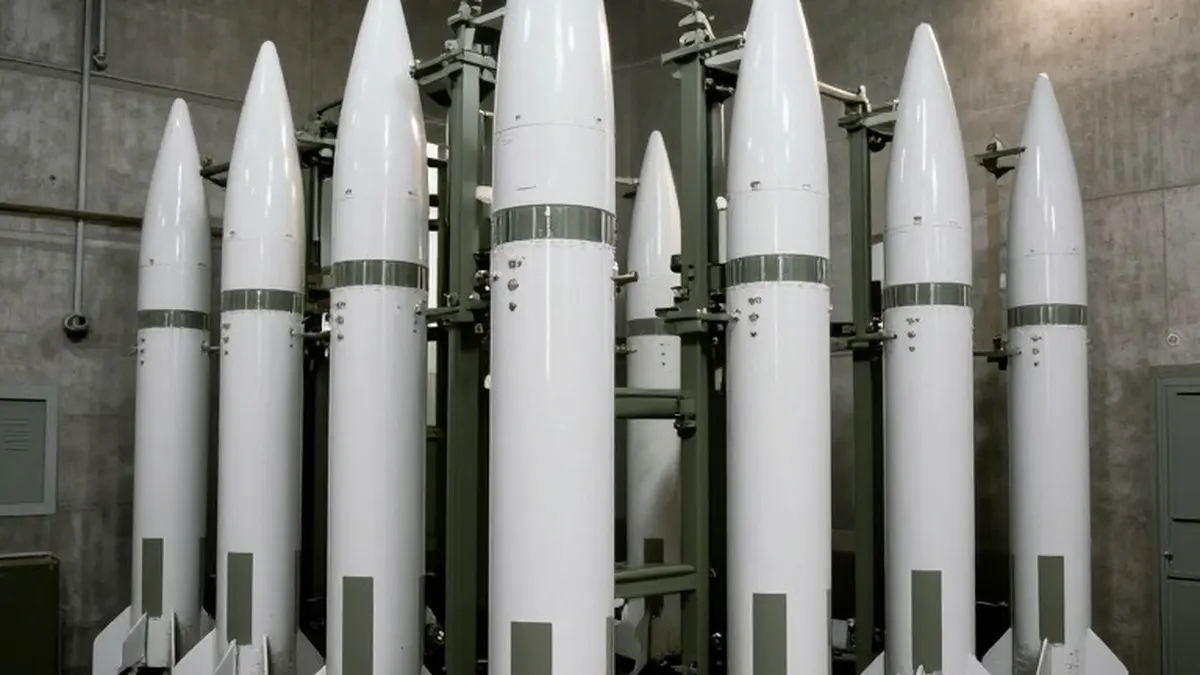
The diplomatic activity coincides with a visit by the commander of Iran’s Islamic Revolutionary Guard Corps to a strategic military site. Major-General Ahmad Vahidi toured an underground missile facility on Saturday, accompanied by Brigadier General Majid Mousavi, who leads the IRGC Aerospace Force. During the visit, Vahidi received briefings on the force's current readiness levels and recent progress in its missile development program.
This tour follows the recent unveiling of a new underground facility by the Aerospace Force earlier in the month. During that event, the military displayed various ballistic and cruise missiles along with their associated launchers. The timing of these military demonstrations highlights the dual track of diplomacy and defense preparation currently underway in Tehran.
Foreign Minister Abbas Araghchi emphasized that Iran’s position remains unchanged regarding the Strait of Hormuz. He stated that reopening the waterway is not a complex task but requires the United States to accept reasonable conditions aligned with international law. Araghchi argued that discussions about the strait are pointless unless Iran’s core demands are first satisfied.
Among these demands are the end of the conflict on all fronts, the unfreezing of Iranian assets, the lifting of oil sanctions, and the removal of the US counter-blockade on Iranian ports. Araghchi added that there is no viable solution unless Washington acknowledges its previous errors and fulfills its prior commitments. He noted that Iran remains ready for dialogue while simultaneously maintaining its capacity for self-defense.
US President Donald Trump commented on the situation on Saturday, expressing his desire for a permanent agreement that prevents Iran from acquiring a nuclear weapon. He characterized Iranian officials as very difficult to work with, noting a pattern where deals are reached only to be broken shortly thereafter. His remarks underscore the ongoing friction between the two nations' diplomatic stances.
Iranian President Masoud Pezeshkian addressed a gathering of investors and producers on Saturday, describing the current situation as a silent economic war. He argued that this type of conflict is tougher than a war fought with missiles. Pezeshkian stated that a group of external forces sought to bring down the country, but he praised Iranian businesses for managing market conditions effectively.
The president also mentioned that the government is working to prevent power cuts during the winter months. The economic pressure has been compounded by the US naval blockade on Iranian ports, which was implemented in response to Iran's restrictions on shipping through the Strait of Hormuz. Since the conflict began, the strait, which typically carries about a fifth of the world's oil, has seen reduced traffic.
The broader conflict originated after the United States and Israel attacked Iran on February 28. Tehran responded with strikes against Israel and Gulf states hosting US military bases. This confrontation has drawn in several regional countries, disrupted global shipping routes, and contributed to a rise in energy prices worldwide.
Gharibabadi clarified that the recent talks with Qatari mediators have not yet escalated into formal negotiations. However, he indicated that if formal talks commence, technical details of Iran's nuclear program would be on the agenda. A key point of contention remains Iran's position that its enriched uranium stockpile must not leave the country.