iPod Turns 25: The Pocket Revolution
Twenty-five years ago, a $399 device changed how millions of Texans and Southerners carried their favorite tunes in their pockets.
By Daniela Vargas ·
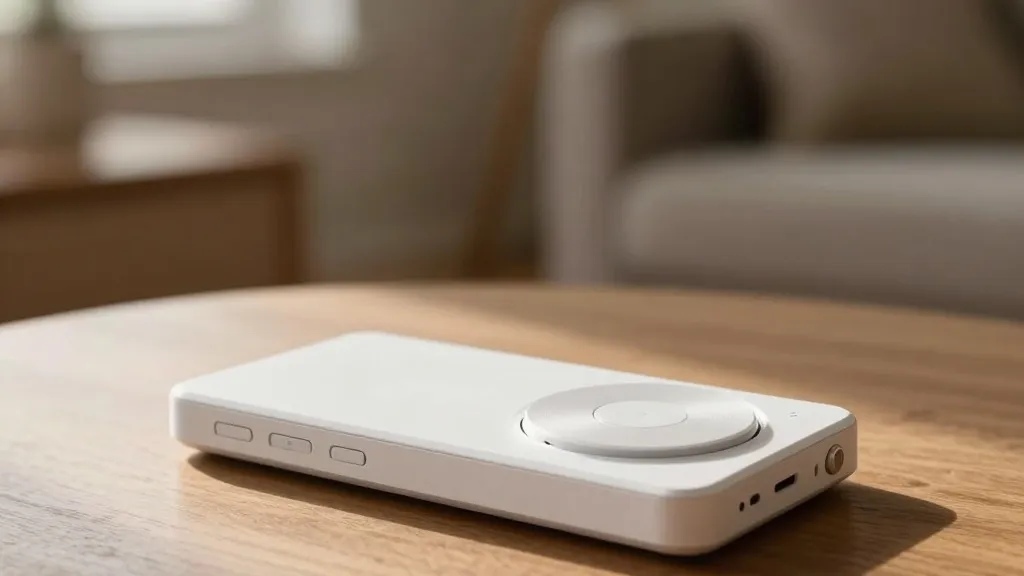
For music lovers across Texas and the South Central states, the ability to carry an entire album collection in a pocket was a luxury that arrived twenty-five years ago today. On October 23, 2001, Apple CEO Steve Jobs unveiled the original iPod, a device that fundamentally altered daily habits for millions. The launch price was set at $399, offering a tangible shift from bulky physical media to a compact, digital experience that fit easily into a shirt pocket or purse.
The reveal occurred during a period when Apple was firmly recovering from the dot-com bubble burst. The company had successfully moved beyond its previous beige aesthetic into the Mac OS X era, with iBooks and iMacs becoming household staples. Jobs positioned the new device as the missing piece in a broader vision where the Mac served as the central hub for a user's digital life, connecting cameras, camcorders, and now, portable music.
At the time, the market for portable digital music was fragmented. While companies like Sony, Creative, and Sonic Blue had existing players, Jobs argued that none had found the right recipe for digital music. He identified four main categories of hardware: CD players, MP3 CD players, flash players, and hard disk-based jukeboxes. Apple chose the hard disk-based approach as its entry point, believing it offered the best balance of capacity and user experience for the average consumer.
The specific hardware choice was critical to the device's form factor. Toshiba supplied an ultra-compact, 1.8-inch hard drive that was just 0.2 inches thick. This component allowed the final product to measure 2.4 by 4 by 0.78 inches, roughly the size of a standard deck of cards. Weighing only 6.5 ounces, the device was lighter than most cell phones of that era, making it a true always-carry accessory for gadget enthusiasts.
Performance was a major selling point, centered on the device's 5-gigabyte storage capacity. This allowed users to store approximately 1,000 songs, specifically typical pop tracks encoded as MP3s at 160Kbps. Jobs emphasized that for most people, this represented their entire personal music library. The player supported CD-quality sound and handled the popular audio formats of the day, including MP3, WAV, and AIFF.
Connectivity was another area where the original iPod sought to differentiate itself. It featured a FireWire 400 connection, which Apple marketed as the only music player to offer this technology. During the presentation, Jobs claimed the transfer speed was significantly faster than USB options available at the time. He stated that transferring a single CD's worth of data took five to 10 seconds on FireWire, compared to roughly five minutes on USB. Filling the entire 5-gigabyte drive would take about 10 minutes, a stark contrast to the five hours estimated for USB-based competitors.
The user interface was designed for one-handed operation, featuring a scroll wheel with a piezoelectric clicker for tactile feedback. This allowed for rapid navigation through playlists, artists, or specific tracks. During the live demonstration, the first song played was 'Building a Mystery' by Sarah MacLachlan. The device also included a rechargeable lithium-polymer battery capable of 10 hours of continuous playback, with Apple noting that an empty battery could reach 80% charge in one hour.
Software integration was the third pillar of the product's strategy. The launch coincided with the release of iTunes 2, which introduced features like MP3 CD burning. The key innovation was Auto-Sync, which ensured that any music library curated on a Mac was automatically mirrored to the iPod whenever the device was connected for charging or data transfer. The iPod could also function as a FireWire hard disk drive, adding utility for users managing large files.
The success of the original iPod set the stage for a product line that would dominate the portable music market for nearly two decades. Although the first iPhone launched in early 2007, the iPod remained a distinct product for over a decade. The line eventually concluded with the 7th-generation iPod Touch in May 2019, though Apple did not officially discontinue the product name until May 2022. Today, the device is remembered as the gadget that made personal music collections truly portable.
Source: Tom's Hardware