EU blocks final climate deal as COP31 concludes without consensus
The COP31 climate summit ended without a final deal after the EU rejected a draft text that omitted explicit references to fossil fuels, leaving key climate goals unresolved.
By Yasmin Parker ·
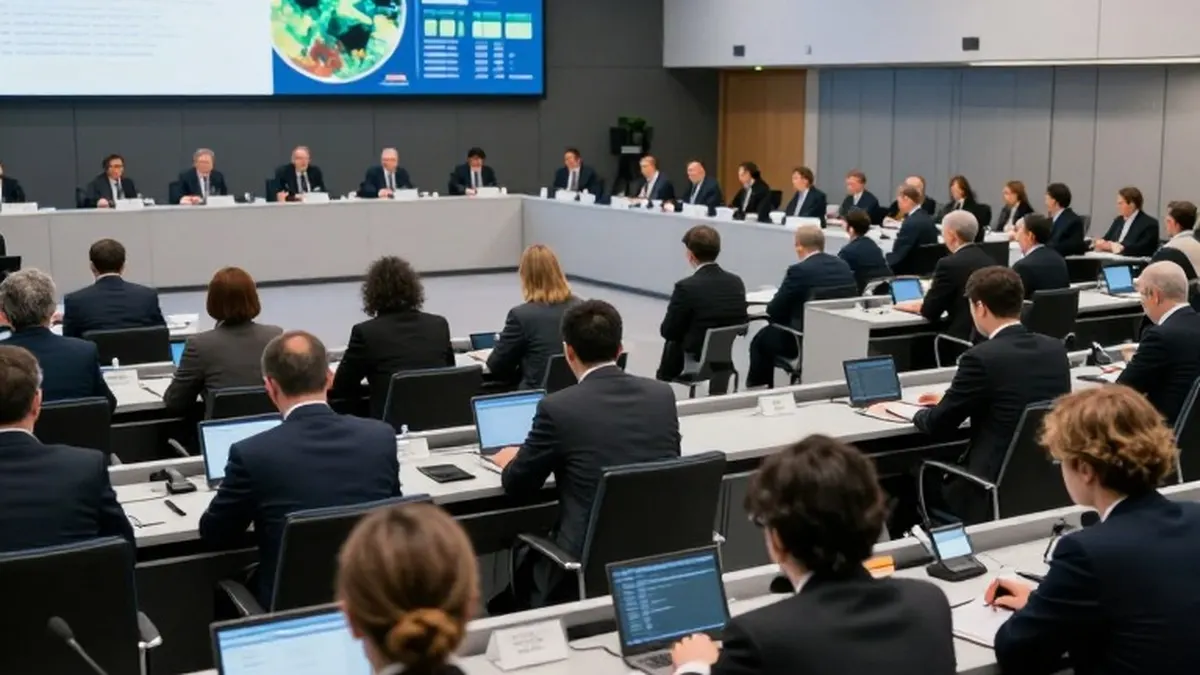
The United Nations climate conference in Antalya, Turkey, concluded on Sunday without a final agreement after European Union member states objected to the last-minute draft text. The primary point of contention was the omission of explicit references to fossil fuels in the proposed document. This failure to reach a consensus marks a significant setback in the ongoing negotiations to address global climate change.
Murat Kurum, who serves as both the COP31 president and Turkey’s environment minister, addressed the closing plenary session to acknowledge the lack of an overarching deal. He noted that the final text was not imposed on any specific nation and that the decisions were not adopted because an agreement could not be reached. The proposal, which was published late in the proceedings by the summit co-hosts Turkey and Australia, left the issue of planet-heating fuels unresolved while retaining a goal to electrify the global economy.
Ireland currently holds the rotating EU presidency, and its Climate and Energy Minister, Darragh O'Brien, stated that the bloc would formally object to the final deal. O'Brien argued that the EU would not endorse a decision that fails to mention fossil fuels, which he identified as the key driver of climate change. The proposal required consensus approval from nearly 200 nations, but delegates struggled to bridge their differences during two weeks of intensive negotiations.
The dispute over fossil fuels has been a central flashpoint at the summit, which is taking place against a backdrop of soaring energy prices and geopolitical tensions fueled by the war in Iran. Earlier in the week, a draft deal called for a faster phase-out of these fuels, but a pared-down version released on Thursday removed all mentions of coal, oil, and gas. The latest text referenced a 2023 global agreement to shift away from fossil fuels but stopped short of naming them explicitly.
Several nations expressed strong dissatisfaction with the final wording. France described the proposal as a backward step, with Ecological Transition Minister Monique Barbut stating that time is ticking and the desired outcome has not yet been achieved. A German official noted that the situation remains difficult and that oil-producing countries are mounting a fierce resistance. A Saudi official, representing the key oil producer, declined to comment on the final text.
Michael Joseph, the environment minister of Antigua and Barbuda, voiced disappointment with the draft, describing it as quite silent on the issue of fossil fuels. He indicated that he was not entirely comfortable with the text passing in its current state. The proposal also retained a push to expand carbon capture and storage, a technology that is championed by the fossil fuel industry but has faced criticism for being costly and ineffective in reducing emissions.
The draft included a target to boost the share of electricity in total final energy consumption to 35 percent by 2035. It also called for the expansion of clean energy. Turkey and Australia promoted electrification as a method to cut heat-trapping emissions and enhance energy security by replacing direct fossil fuel burning technologies with electric alternatives. However, some nations demanded an explicitly clean target to ensure the electricity was generated from renewable sources rather than fossil fuels.
Additional friction arose from attempts by Saudi Arabia, India, and Kenya to delay the next set of reports by the UN’s Intergovernmental Panel on Climate Change. The draft text highlighted the importance of these reports for a stocktake of global carbon-cutting efforts scheduled for 2028. Dozens of countries across Europe, Africa, and the Pacific wanted these scientific assessments published in time for that review. The summit also faced pressure to show progress in tackling emissions amid a year of climate-linked disasters in regions including Europe, Nepal, and Indonesia.
Delegates also disagreed on how to respond to the looming breach of the 1.5C warming target established under the Paris climate accord. One of the latest drafts expressed deep concern that global warming would exceed this threshold in the coming years. Furthermore, long-standing complaints from developing nations regarding the obligations of rich countries to provide climate finance continued to cause tension. The removal of a 120 billion dollar target for climate adaptation particularly angered these developing nations.