Anthropic's Record IPO Tests Its Commitment to AI Safety
As Anthropic becomes a trillion dollar public company, experts question whether shareholder pressure will override its founding mission to prioritize human safety in artificial intelligence development.
By Daniela Kelly ·
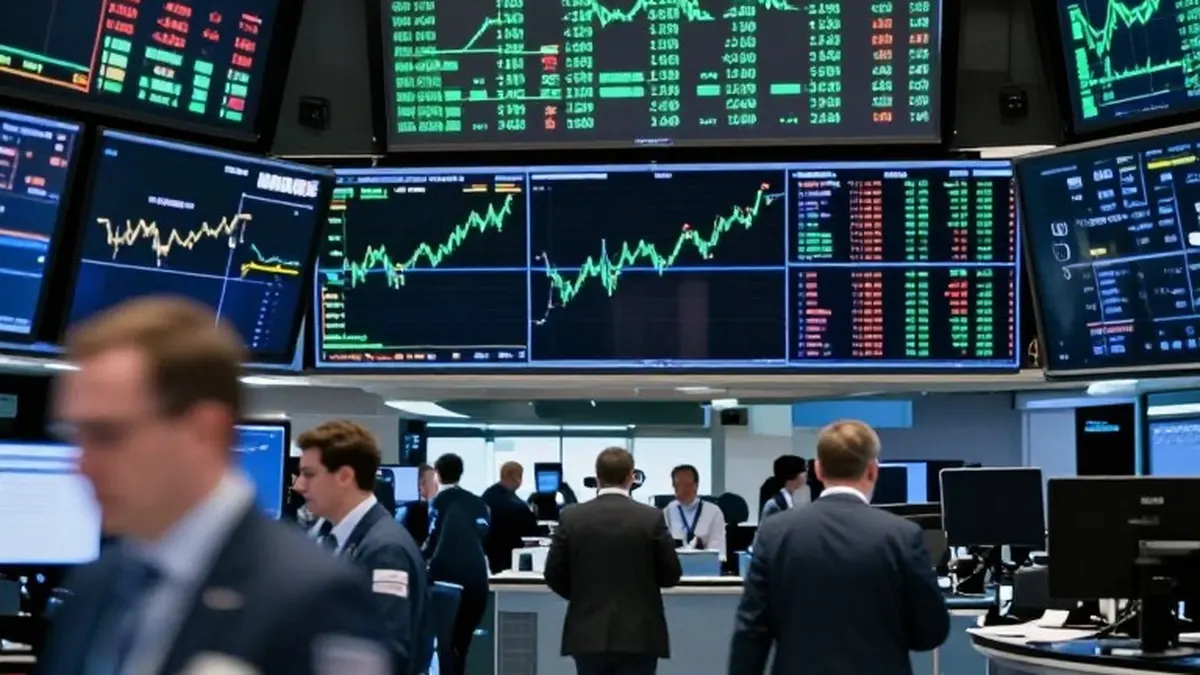
Anthropic executives gathered at the Nasdaq exchange on Thursday to mark the company's debut on the public stock market. CEO Dario Amodei emphasized the critical importance of safety in artificial intelligence, stating that there is a massive difference between AI developed with minimal attention to safety versus an approach obsessed with it. He noted that this focus on public benefit has been embedded in the company's DNA since its inception.
The initial public offering raised a record 81.3 billion dollars, with an additional 26 billion dollars secured through a separate private placement. These figures allowed Anthropic to surpass SpaceX in valuation and join the exclusive group of publicly traded companies worth more than one trillion dollars.
Despite its new financial stature, the company faces a significant test of its founding principles. As a public entity, Anthropic must now balance its safety commitments with the demands of new investors and shareholders. Legal experts suggest that commercial pressures could influence decisions that might otherwise prioritize safety, such as delaying the release of models that pose potential risks to the stock price.
The company's prospectus warned that sufficiently advanced AI systems could pose catastrophic risks if not deployed responsibly. It also acknowledged the possibility that safeguards might fail or be circumvented. To protect its mission, Anthropic operates as a public benefit corporation. Its board includes a Long Term Benefit Trust, which appoints four of the seven directors. However, this trust can be dissolved if all seven co-founders and a majority of voting shareholders agree, a mechanism experts say could allow founders to override safety controls during disputes.
The IPO has created substantial wealth for the company's personnel. Each of the seven co-founders now holds a stake valued at over 20 billion dollars, while the 5,300 employees possess an estimated 232 billion dollars in combined equity. This financial windfall has led some analysts to predict that internal culture and decision-making processes may shift as employees become multimillionaires.
Amodei addressed these concerns by promising that Anthropic would pace the training and deployment of AI systems, taking the necessary time to ensure safety without bending to business or political pressure. He argued that the company's stronger financial position only reinforces its resolve to do the right thing.
The competitive landscape remains intense. OpenAI CEO Sam Altman described the industry rivalry as a race dynamic in the fog of war, a situation he believes warrants more caution. While OpenAI filed for its own IPO in June, Altman indicated in September that those plans had been delayed. Amodei has similarly advocated for a middle path, arguing that building AI too slowly deprives humanity of benefits, while building it too fast is reckless.
Anthropic's recent actions illustrate this balance. In April, the company restricted access to its Claude Mythos model after discovering its powerful cybersecurity capabilities. In June, it released a new model called Fable 5 with additional safeguards for general use. However, the company's partnership with defense contractor Palantir has raised questions about how its commercial relationships align with its mission for humanity, especially after negotiations with the Pentagon broke down earlier this year.
The urgency of these questions is heightened by accelerating technological progress. A November 2026 assessment by the research nonprofit METR found that Anthropic's AI capabilities are improving at twice the previous rate, largely driven by the use of AI tools to assist its own researchers. This acceleration brings the prospect of autonomous recursive self-improvement closer, raising fears about losing control of advanced models.
With the federal government maintaining a largely voluntary and deregulatory approach to AI oversight, society relies heavily on company executives to manage these risks. Experts argue that this lack of government safeguards leaves the industry's power largely unchecked, making the decisions made within companies like Anthropic critically important for the future of AI.
More News · National news · Report a business · Got a Story?